Shipping Cost Calculator: Estimate Your Total Delivery Expense
Introduction
Shipping something important? Maybe it’s an e-commerce order you need to fulfill by tomorrow, a last-minute gift, or a bulky freight shipment heading across the country. Whatever the package, there’s one question that always comes up first: how much is this going to cost?
That’s exactly where a shipping cost calculator cuts through the guesswork. Instead of calling a courier, waiting on hold, and getting a quote that changes by the time you check out, you type in a few details and get your number instantly. Weight, distance, delivery speed: the calculator processes everything and gives you the final figure.
Most businesses make a common mistake. They estimate shipping costs and build them into pricing without ever checking the real numbers. Then they’re either overcharging customers and losing sales, or undercharging and losing money on every order. A shipping cost calculator fixes this by giving you exact numbers before a single label gets printed.
What Is a Shipping Cost Calculator?
Think of it as a tool that maps out your shipping costs before you commit. You enter the delivery address type, the package weight and size, how fast it needs to get there, and any extras like insurance or signature confirmation. The calculator shows exactly what you’ll pay.
What gets factored in:
– Package weight (in kg)
– Shipping distance (in km)
– Delivery speed: Standard, Express, or Same-Day
– Package type: Envelope, Medium Box, Large Box, or Oversized/Freight
– Insurance requirement
– Residential vs. commercial delivery surcharge
– Signature confirmation fee
– Total estimated cost and expected delivery timeline
More detailed versions also include extra weight-based pricing, fuel surcharges, carrier-specific rates, and international customs fees. The core purpose stays the same: turning “how much will this cost?” into a specific dollar amount you can plan around.
Why You Need a Shipping Cost Calculator
Shipping without a calculator means guessing. You might guess right. You probably won’t. Here’s why a shipping cost estimator matters:
You Get the Actual Cost Before You Commit
Table of Contents
Sending a 5 kg box 800 km via same-day? The calculator tells you $47.50 before you book anything. No surprises at checkout, no unexpected charges after the fact.
You Catch Problems Right Away
Want same-day delivery for a 20 kg oversized freight item traveling 1,200 km? The calculator shows what that actually costs. It’s better to find out upfront than to discover a $180 charge after promising a customer free shipping.
You Compare Options in Seconds
Standard vs. Express vs. Same-Day: switch between them and watch the cost change in real time. The $22 difference between Standard and Express might be worth it for your customer. Or it might not. The calculator makes the difference clear.
Add-Ons Become Real Numbers
Insurance adds $10. Residential delivery adds $5. Signature confirmation adds $4. On their own they seem small. Added up across every order in a month, the calculator shows you what they actually total.
Different Shipments Stay Organized
Small packet to a commercial address. Oversized freight with insurance to a residential home. Each scenario has its own cost. A package shipping calculator keeps every estimate separate and accurate.
How Outgrow’s Shipping Cost Calculator Helps Your Business
Basic shipping calculators give you a number and stop there. Outgrow creates a more useful experience that helps you act on those numbers.
Step-by-Step Clarity
No staring at a wall of empty fields. One question at a time: weight, distance, speed, package type, extras. This keeps things simple and reduces errors in your inputs.
Three Results, Not One
Outgrow’s shipping calculator shows your estimated cost, your delivery timeline, and a cost label (Budget-Friendly, Moderate, or Premium). You get the complete picture, not just a dollar amount.
Results That Adjust to Your Situation
A $15 low-cost shipment gets different suggestions than an $85 high-cost delivery. Outgrow adjusts the results page based on where your shipping cost lands.
Built for Businesses of All Sizes
Shipping companies, fulfillment platforms, e-commerce tools, and logistics consultants all use Outgrow to add branded calculators to their websites. No coding needed. Set it up, adjust it to your needs, and publish it in under an hour.
Contact Collection Built In
Users enter an email to save or receive their shipping estimate. For businesses, that’s a real potential customer who is actively planning a shipment, not just a random visitor.
Try Outgrow’s Ready-to-Use Shipping Cost Calculator
Add premade hero image here
Before building a custom version, test the premade tool with your real numbers.
The Shipping Cost Calculator walks through seven inputs:
1. Package weight: numeric input in kg
2. Shipping distance: numeric input in km
3. Shipping speed: Standard (3 to 7 days), Express (1 to 3 days), or Same-Day Delivery
4. Package type: Envelope/Small Packet, Medium Box, Large Box, or Oversized/Freight
5. Insurance: Yes or No
6. Delivery type: Residential or Commercial address
7. Signature confirmation: Yes or No
Takes about 45 seconds. Results appear right away across three outputs.
Real example from the tool: Shipping an 8 kg medium box 600 km via Express, with insurance and residential delivery, no signature required? Total estimated cost: $51.50. Estimated delivery time: 2 days. Cost category: Moderate Shipping.
Can’t make the numbers work for your budget? Switch from Express to Standard and watch the cost drop. Changing the package type from Oversized to Medium Box lowers the packaging fee right away. Testing different options takes seconds, not phone calls.
The calculator factors in every variable at once. Weight cost, distance cost, speed multiplier, packaging fee, insurance fee, residential fee, and signature fee: all calculated together, not estimated one by one.
Logistics companies use this in their customer service process. E-commerce platforms add it to checkout pages. Freight consultants walk clients through it in early conversations. It works because it’s fast, accurate, and gives you a real number to act on.
How to Build Your Own Shipping Cost Calculator with Outgrow
Takes 20 to 35 minutes. Use the premade template or start from scratch.
Questions to Include
– What is the package weight? (kg)
– What is the shipping distance? (km)
– What shipping speed do you need?
– What type of package are you shipping?
– Is shipping insurance required?
– Is this a residential delivery?
– Do you need signature confirmation?
The Formulas That Do the Work
Outgrow’s formula tool handles the math automatically. Connect your question fields, and the platform calculates three outputs:
– R1 (Total Shipping Cost): ((Weight x 2 + Distance x 0.05) x Speed Multiplier) + Packaging Surcharge + Insurance Fee + Residential Fee + Signature Fee
– R2 (Delivery Time): 5 days for Standard, 2 days for Express, 1 day for Same-Day
– R3 (Cost Score): matches R1, used to set the cost category label
Speed multipliers: Standard = 1x, Express = 1.5x, Same-Day = 2.5x
Packaging surcharge: Envelope = $3, Medium Box = $6, Large Box = $9, Oversized = $12
Insurance fee: $10 if selected
Residential surcharge: $5 if applicable
Signature confirmation: $4 if selected
Design the Results Page for Clarity
– First result: Estimated total shipping cost in dollars
– Second result: Estimated delivery time in days
– Third result: Cost category label (Budget-Friendly, Moderate, or Premium) with relevant tips
– Option to save results via email
Who Uses a Shipping Cost Calculator? Industry Use Cases
E-Commerce Stores
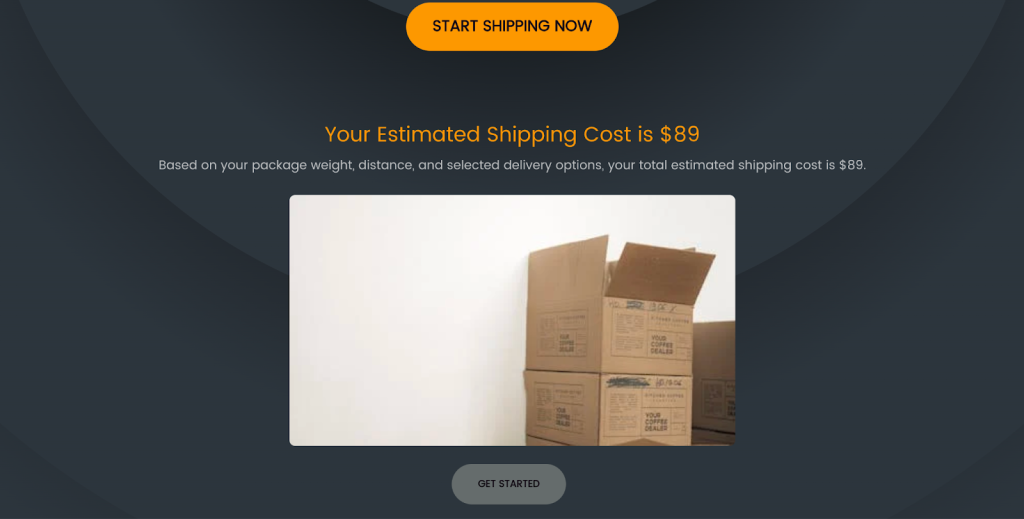
E-commerce stores add calculators to product or cart pages. Customers see the shipping cost before they reach checkout, which reduces the number of people who leave without buying because of unexpected fees. The price they see while browsing matches what they pay. That builds trust and keeps more orders going through.
Logistics and Courier Companies
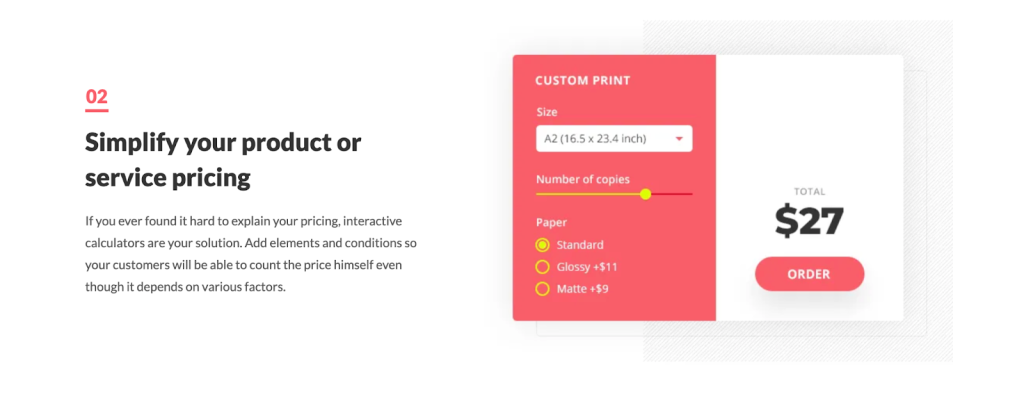
Logistics and courier companies add calculators to their websites instead of asking visitors to call for a quote. People get an instant estimate and are more likely to book than if they have to fill out a contact form and wait.
Fulfillment Centers
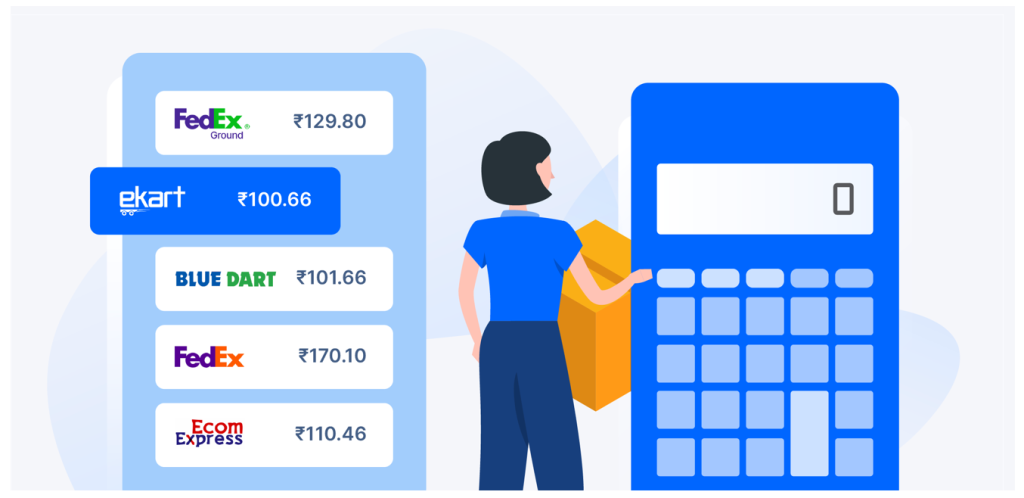
Fulfillment centers use calculators when bringing on new clients. Clients enter their shipment details and see the costs before signing any contracts. Pricing becomes clear from the start, which speeds up the process.
Freight Brokers
Freight brokers use calculators in early client conversations. A client needs a 50 kg oversized item shipped 1,500 km with insurance? The calculator gives a starting estimate right away. Discussions begin with a real number on the table, not a rough guess.

Marketplace Sellers
Marketplace sellers use shipping calculators to set accurate pricing. They can test Standard vs. Express for different package sizes and make sure the real cost is built into their product prices before they list anything.
Supply Chain Consultants
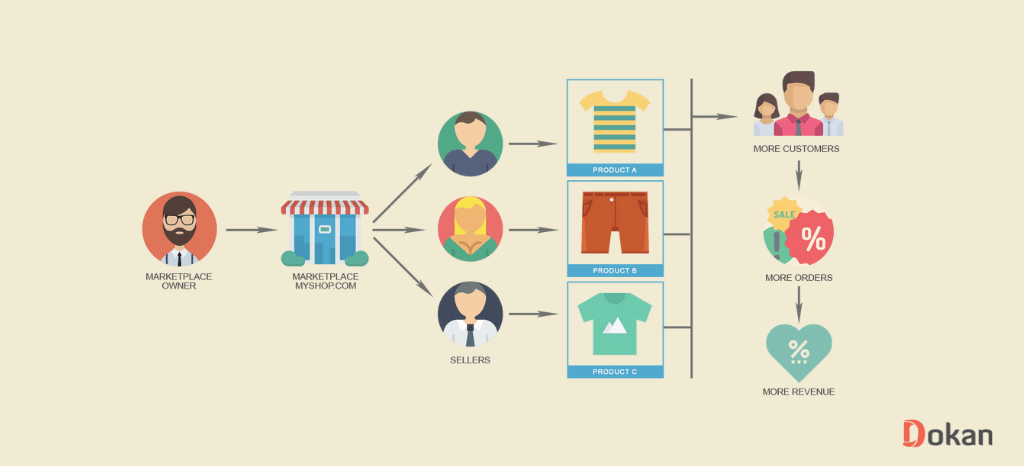
Supply chain consultants offer calculators as part of their service. Clients can see cost breakdowns for their current shipping setup, which often reveals where they can save money before the work even begins.

Common Shipping Cost Mistakes to Avoid
Ignoring Package Type Fees
An oversized freight item costs $12 more in packaging fees than an envelope. Multiply that across 500 monthly shipments, and you’re taking on $6,000 in costs you did not plan for. The calculator makes this clear from the first question.
Choosing Same-Day Without Checking the Total Cost First
Same-Day applies a 2.5x multiplier to the base weight and distance costs. A shipment that costs $20 on Standard costs $50 on Same-Day. Many businesses offer Same-Day delivery without checking whether the profit margin supports it.
Skipping Insurance on Valuable Items
The $10 insurance fee can feel optional. But one lost or damaged shipment worth $400 wipes out any savings from skipping it. The calculator makes it easy to add insurance. Build it into your regular process.
Underestimating Residential Delivery Costs
Residential delivery adds $5 per shipment. Carriers charge more because residential addresses take more time to reach: narrower streets, no loading areas, and longer stops. If you do not account for this, your per-shipment cost will always come in higher than expected.
Not Updating Your Estimates When Distances Change
Got a new supplier 400 km closer? Run the calculator again and see how much your shipping costs drop. Small changes in distance add up over many shipments.
H2: Only Running One Estimate and Stopping
The real value of the calculator is in comparing options. Run Standard vs. Express. With insurance vs. without. Residential vs. commercial. Each comparison shows you something you would otherwise miss.
How to Get the Most Out of Your Shipping Cost Calculator
Place It Where Shipping Decisions Happen
Add the calculator where people are already thinking about shipping costs. Product pages work well. Cart pages catch customers right before they decide whether to complete a purchase. Checkout confirmation pages help with planning the next order.
Build Content Around Specific Shipping Situations
“What Does It Cost to Ship a 10 kg Box Across 500 km?” connects naturally to the calculator. “Express vs. Standard Shipping: The Real Cost Difference” walks readers through it step by step. People who find that content are already thinking about shipping, so they are ready to use the tool.
Use Specific Numbers on Social Media
Posts with specific numbers perform well. “$28 for Same-Day vs. $11 for Standard: here’s how to decide.” Concrete comparisons get more attention and clicks than general shipping advice.
Send Emails at the Right Time
“Peak Season Shipping Costs Are Coming: Know Your Numbers Before November,” sent in October, reaches businesses that are already planning their holiday fulfillment. Regular monthly emails keep frequent shippers engaged.
Partner With Others Who Serve the Same Audience
E-commerce platforms can add delivery cost calculators to their tools. Marketplace apps can link to freight cost calculators in their seller guides. Packaging suppliers can add shipping calculators to their websites as a helpful extra resource.
How to Read Your Shipping Cost Calculator Results
R1 – Estimated Shipping Cost
The estimated shipping cost (R1) is the number to act on. This is what goes into your pricing, your customer quote, or your shipping budget. If it is too high, the calculator shows you where to adjust: change the delivery speed, choose a smaller package size category, or remove the signature requirement.
R2 – Estimated Delivery Time
The estimated delivery time (R2) is the arrival window your customer receives. 5 days for Standard, 2 days for Express, 1 day for Same-Day. Use this number in your shipping confirmation message. No vague ranges. A clear number of days.
R3 – Shipping Cost Category
The cost category (R3) shows where your shipment falls in terms of cost:
– $25 or under: Budget-Friendly, good for everyday, low-priority deliveries.
– $26 to $75: Moderate, a reasonable balance between speed and cost.
– Above $75: Premium, for fast or specialized deliveries.
This helps you check whether the options you selected actually match how urgent the shipment is. If the Premium cost is not worth it for this particular order, switch from Same-Day to Express and move into the Moderate category right away. For businesses shipping large volumes, moving a good portion of orders from Moderate to Budget-Friendly adds up to real savings over time.
Tips to Stay on Budget with Shipping
Automate the routine stuff. Set Standard shipping as the default for orders that are not time-sensitive. Save Express and Same-Day for situations that genuinely need them. Check the calculator before bumping up the delivery speed.
Track cost wins. If your average shipping cost per order dropped by $3 in a given month, note it. Share it. Reducing cost per shipment adds up quickly when you are sending a high volume of packages.
Make it visible. Post your monthly shipping cost breakdown where your team can see it. When people understand what drives costs, they make better decisions about delivery options.
Review monthly. Compare what you actually spent on shipping against what the calculator projected. If you are going over, look for the pattern. The difference between what you planned and what you spent usually points to something you can fix.
Update your estimates when things change. New carrier agreement? New warehouse location? Different packaging? Run the calculator again with the new details before your next pricing review. Assumptions that were accurate six months ago may not be accurate today.
Wrapping Up
A shipping cost calculator turns rough delivery estimates into exact dollar figures you can actually plan around. Whether you’re shipping one package or tens of thousands of orders a month, knowing the real cost before you commit is what separates a healthy shipping operation from one that’s losing money on every label.
The calculator won’t ship for you. Carrier relationships, packaging decisions, and timing still matter. But it removes the guesswork and shows you whether your current setup is financially sound.
For e-commerce businesses, logistics providers, and freight platforms, shipping calculators serve two purposes: they help users make better shipping decisions, and they bring in potential customers who are actively planning a shipment.
Pick your package details. Run the numbers. Make shipping decisions based on facts instead of estimates. Your bottom line will benefit.
Sign up for a 7-day free trial today and start estimating your shipping costs with confidence.
Frequently Asked Questions
A shipping cost calculator estimates total delivery costs based on package weight, shipping distance, delivery speed, package type, and optional extras like insurance, residential delivery fees, and signature confirmation.
Calculators give reliable estimates based on standard rate formulas. Actual carrier charges can vary because of fuel fees, weight-based pricing rules, regional rate differences, or carrier-specific policies.
Standard shipping (3 to 7 days) is a good fit when cost matters more than speed. Express (1 to 3 days) works well for deliveries that need to arrive soon but do not require same-day service. Same-Day is for situations where getting there today is the only option and cost is less of a concern.
Yes. Package type affects the fee added to your total cost. Envelopes and small packets carry the lowest fee. Medium boxes add a moderate fee. Large boxes cost more. Oversized and freight items carry the highest fee. Choosing the right package type category for your actual shipment keeps your estimate accurate.
Add insurance when the item’s value is over $100. The $10 insurance fee is a fixed cost. One lost or damaged shipment worth $300 costs far more than the savings from skipping insurance on many orders. High-value items, breakable goods, and custom products should always be covered.

Deeksha Malik is a Marketing Professional at Outgrow, working at the crossroads of people, brand, and growth. She helps scale teams, strengthen employer branding, and drive B2B marketing campaigns that actually move the needle. Known for balancing strategy with execution, Deeksha enjoys building meaningful campaigns and smarter growth stories. When she’s not working, you’ll likely find her with a good cup of coffee, staying curious about marketing trends, people dynamics, and what makes a brand memorable.