Adult ADHD Self-Assessment: How the ASRS v1.1 Screening Tool Works!
Table of Contents
Adult ADHD remains one of the most underdiagnosed neurodevelopmental conditions, particularly among high-functioning professionals, students, founders, and knowledge workers. Many people experience chronic procrastination, time blindness, unfinished tasks, mental overload, and difficulty prioritizing, yet they interpret these patterns as personal failure rather than possible symptoms of attention dysregulation.
The Adult ADHD Self-Report Scale (ASRS v1.1) is one of the most widely used adhd self assessment for adults, providing a fast, research-backed way to determine whether your focus challenges follow a clinically recognized pattern. It provides a fast, research-backed way to determine whether your focus challenges follow a clinically recognized pattern and whether a full professional evaluation may be helpful. It is important to emphasize that the ASRS is not a diagnostic instrument. It is an adhd self assessment test that indicates whether further clinical evaluation may be beneficial.”
What is the ASRS v1.1?
The Adult ADHD Self-Report Scale (ASRS v1.1) is one of the most widely used and scientifically validated adhd self assessment tools for identifying ADHD-related symptoms in adults. It is based on DSM diagnostic criteria and is designed to identify core symptoms of inattention and hyperactivity-impulsivity in everyday life.
The full ASRS includes eighteen questions, but the commonly used screener focuses on the first six items, which have the highest predictive value for adult ADHD. These questions examine patterns such as difficulty finishing tasks, problems with organization, forgetfulness, avoidance of mentally demanding work, restlessness, and feeling internally driven.
It is important to emphasize that the ASRS is not a diagnostic instrument. It is a screening tool that indicates whether further clinical assessment may be beneficial.
Why Adult ADHD Often Goes Unrecognized
The adult ADHD quiz rarely presents as visible hyperactivity. Instead, it appears as cognitive overload, chronic overwhelm, inconsistent productivity, and the feeling of being constantly busy without meaningful progress.
Many adults develop compensatory strategies such as perfectionism, overworking, last-minute deadline pressure, or excessive note-taking. These coping mechanisms can mask symptoms for years, which is why ADHD is often identified only after burnout, repeated career friction, or persistent time-management failures.
Because these patterns are internal rather than behavioral, they are frequently misattributed to anxiety, stress, or lack of discipline, which is exactly why a structured adhd self assessment for adults is useful.
What Are the Diagnostic Criteria for ADHD
A formal ADHD diagnosis in adults is based on the DSM-5 criteria, which require a persistent pattern of inattention and/or hyperactivity-impulsivity that interferes with functioning or development. To meet the threshold, an individual generally needs at least five symptoms from either category (inattention or hyperactivity-impulsivity), present for at least six months, appearing in two or more settings such as work, home, or relationships, and with clear evidence that symptoms existed before age 12, even if they weren’t recognized at the time.
Common inattentive symptoms include difficulty sustaining focus, losing items, forgetfulness, and trouble organizing tasks. Hyperactive-impulsive symptoms include restlessness, interrupting others, and difficulty waiting or staying still. Clinicians also assess functional impairment, meaning whether these patterns actually disrupt work performance, finances, or relationships, not just whether the traits are present.
This is where a structured adhd self assessment like the ASRS becomes valuable. It maps everyday experiences onto these diagnostic categories in a simplified, self-reportable format, helping people decide whether a full clinical evaluation against DSM-5 criteria is worth pursuing.
Quick Adult ADHD Self-Check
Answer the following adhd self assessment test questions based on how often they happen to you.
1. How often do you have trouble finishing the final details of a project once the hardest parts are done

2. How often do you have difficulty organizing tasks that require planning or structure?

3. How often do you forget appointments, deadlines, or important obligations?

How the ASRS ADHD Screener Works
The ASRS asks individuals to rate how often specific behaviors have occurred over the past six months using a five-point frequency scale ranging from “Never” to “Very Often.” The six core screening questions focus on task completion, organization, memory, sustained attention, restlessness, and impulsive drive.
The entire process typically takes less than two minutes, making it one of the most efficient screening tools used in primary care and mental health settings. Despite its brevity, it has strong validation across multiple adult populations.
How ASRS Scoring Is Interpreted
Unlike traditional psychological tests that produce a total score, the ASRS uses a threshold method. If four or more responses fall within the symptom-positive range in Part A, the screening result is considered positive, suggesting that a comprehensive ADHD evaluation would be appropriate.
A lower score does not completely rule out ADHD, particularly if daily functioning is significantly affected. Many adults underreport symptoms because they have normalized their struggles or built coping systems that conceal their difficulties.
What a Positive or Negative Result Means
A positive ASRS screening indicates that your response pattern aligns with commonly observed ADHD symptom profiles. It does not confirm a diagnosis, but it does provide a strong signal that a professional assessment may be useful.
A negative result suggests that your symptoms fall below the screening threshold. However, similar challenges may still arise from anxiety, sleep deprivation, depression, or chronic stress. If your productivity, relationships, or emotional regulation are consistently affected, professional guidance remains valuable regardless of the screening outcome.
Strengths and Limitations of the ASRS
The ASRS is widely trusted as an adhd self assessment test because it is quick, evidence-based, and easy to administer. It increases self-awareness and helps individuals recognize long-standing attention patterns that may have previously been misunderstood.
However, like all self-report tools, it depends on personal perception and does not assess childhood history, cross-situational impairment, or symptom severity. A formal ADHD diagnosis requires a structured clinical interview, developmental history, and evaluation of real-world functional impact.
How Accurate Is ADHD Assessment
Self-report screeners like the ASRS are accurate at what they’re designed to do, which is flagging likely symptom patterns, but they are not diagnostic instruments, so their accuracy should be understood in context. Research backing the ASRS v1.1 shows it has strong sensitivity, meaning it correctly identifies most people who do have ADHD, though like all screening tools it can produce both false positives (flagging someone without ADHD) and false negatives (missing someone who does have it, often because they’ve developed strong coping mechanisms).
Accuracy also depends on honest, consistent self-reporting. Because ADHD symptoms can overlap with anxiety, depression, sleep deprivation, and chronic stress, a screener alone can’t distinguish between these causes. That distinction requires a clinician who can review developmental history, functional impact across settings, and rule out overlapping conditions.
In short, an adhd self assessment for adults is a reliable first step, not a final answer. Its real value is directional: it tells you whether pursuing a full clinical evaluation is worth your time, not whether you definitively have ADHD.
What to Do After Taking the ASRS
If your adhd self assessment suggests possible ADHD, the next step is to observe and document patterns in focus, time management, emotional regulation, and task completion. This information becomes highly valuable during a clinical assessment.
Consulting a psychologist, psychiatrist, neurologist, or ADHD specialist is recommended. Evidence-based treatment options may include cognitive behavioral therapy, ADHD coaching, medication when appropriate, and structured productivity systems tailored to neurodivergent thinking styles.
Early identification often leads to significant improvements in career performance, financial management, relationships, and overall mental well-being.
Why Early ADHD Screening Matters
Untreated adult ADHD is associated with chronic stress, burnout, inconsistent career growth, financial disorganization, and persistent low self-esteem. Screening helps individuals move from self-criticism to self-understanding, which is the foundation for building effective support systems.
Recognizing how your brain processes attention and motivation allows you to design workflows, environments, and routines that align with your cognitive style rather than fighting against it.
Turning ADHD Screeners Into Interactive Experiences
For mental health platforms, wellness brands, coaching businesses, and HR teams, ADHD self-assessment tools are powerful engagement assets. Static blog posts educate, but interactive screeners create personalized insight, which dramatically increases completion rates and user trust.
Using Outgrow, can transform the ASRS framework into an interactive ADHD self-assessment that delivers instant feedback, segments users based on symptom patterns, and provides tailored next-step recommendations such as therapy resources, coaching programs, or productivity tools such as the best digital planners.
This value-first experience generates high-intent leads while maintaining ethical, non-diagnostic positioning. It also allows brands to deliver personalized mental health education at scale, which is far more effective than generic content.
The Success of Adult ADHD Screening Tools Online
According to Similarweb traffic insights, the platform psychology-tools.com, which hosts several mental health assessments and psychological screening tools, receives approximately 411.9K monthly visits. This high traffic highlights the strong demand for accessible self-assessment resources related to psychology and mental health.
These screening tools attract significant engagement because they provide:
- Quick and easy self-evaluation
- Immediate insights into behavioral patterns
- A low-pressure way to explore potential mental health concerns
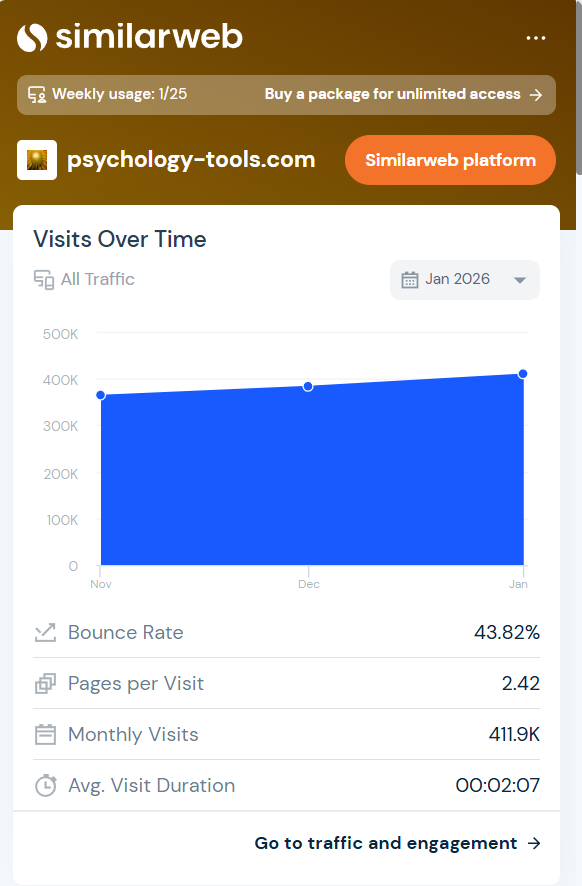
The popularity of such tools demonstrates how interactive assessments drive both awareness and engagement, making them valuable assets for mental health platforms, wellness brands, and coaching services.
How to Create an Adult ADHD Self-Assessment Quiz with Outgrow
Inspired by the success of popular ADHD screening tools? With Outgrow’s interactive content platform, you can easily build a similar self-assessment experience for your audience. Here’s how to do it step by step.
1. Sign Up for Outgrow
Create a free Outgrow account or log in if you already have one.

Enough theory. Here’s exactly how to build this using Outgrow. I’m recommending them because they’re simple and require zero coding
2. Choose Your Interactive Content Type
Select “Quiz” from the dashboard. Start from scratch or choose a template and customize it to match your brand style.

3. Add Your Questions
Craft engaging statements or multiple-choice questions that explore your audience’s beliefs, preferences, or opinions.

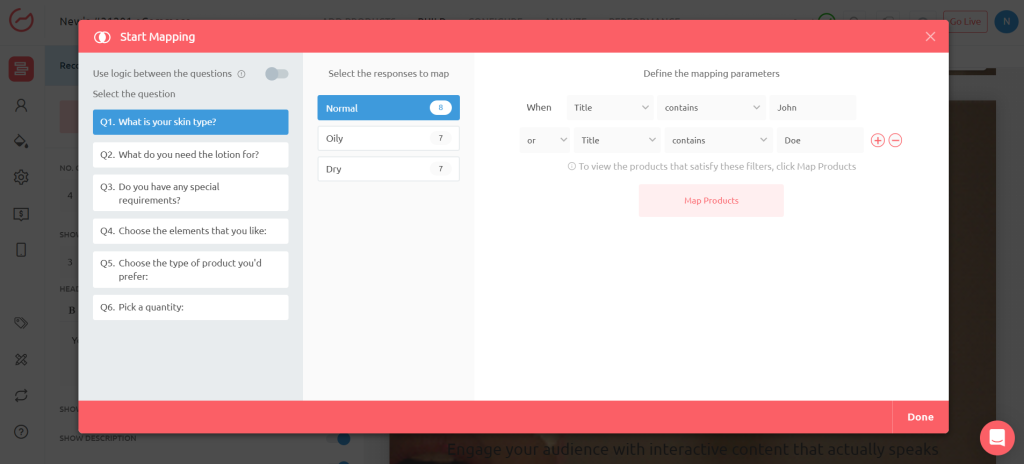
4. Set Up Outcomes
Use Outgrow’s advanced mapping feature to assign results based on responses.
5. Integrate and Share
Embed your quiz on web pages, blogs, or landing pages. Share via social media, newsletters, and online communities.
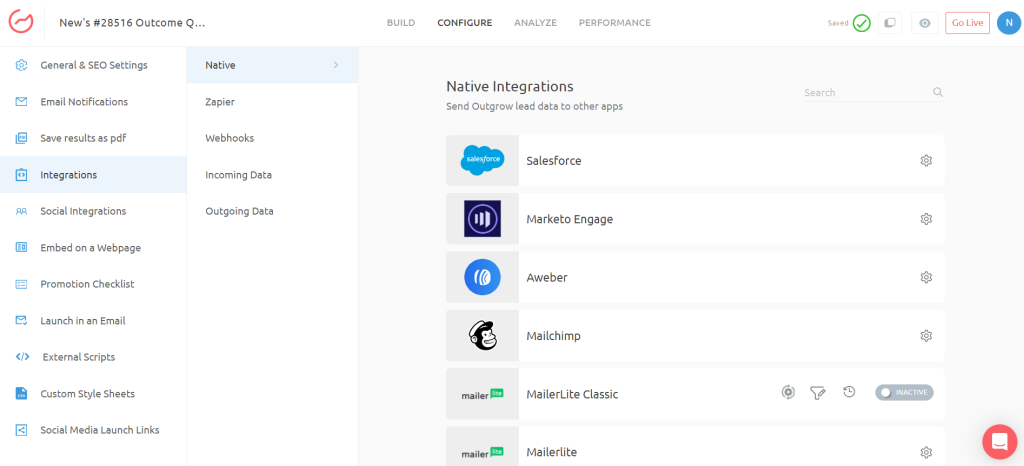
Encourage sharing of results; interactive quizzes often go viral because people love comparing outcomes with friends.
6. Analyze Your Results
Use Outgrow’s analytics dashboard to track:

- Completion rates
- Audience demographics
- Most common results
These insights help you refine the quiz and understand your audience on a deeper level.
Conclusion: Burnout Engagement Interactive
Interactive mental health assessments are transforming how people learn about attention, productivity, and cognitive patterns. Just like the screening tools that attract hundreds of thousands of monthly visitors, an interactive ADHD self-assessment can provide meaningful insights while increasing engagement.
With Outgrow, creating these experiences is simple. Instead of static content, you can deliver a personalized assessment that educates users, builds trust, and provides valuable guidance in just a few minutes.
Create quizzes, surveys, calculators, and more to enhance how people interact with your brand.

And the best part is that Outgrow offers a 7-day free trial without requiring credit card details, allowing you to start building interactive experiences right away.
Frequently Asked Questions About the Quiz
It is a validated screening tool, not a diagnostic test.
If four or more responses fall in the symptom-positive range, further evaluation is recommended.
How long does the ADHD screening take?
The ADHD screening using the ASRS is very quick and usually takes about 1–2 minutes to complete. It includes a few short questions about attention, organization, and memory in daily life.
No. The ASRS is only a screening tool, not a diagnosis. Only a qualified mental health professional can diagnose ADHD after a full clinical evaluation.
Yes. ADHD and anxiety often occur together, and some symptoms can overlap. Taking the screening can help identify patterns that may require further professional assessment.

Bhawna Singh is a Marketing Generalist at Outgrow. With a knack for building connections and a talent for crafting impactful blog content, she ensures every piece resonates with the audience. When not strategizing campaigns, Bhawna channels her artistic side by bringing melodies to life through her singing or creating vibrant masterpieces on canvas.