Love Calculator: Turn a Little Algebra Into a Lot of Fun
Table of Contents
You’ve probably typed two names into some old, slightly ugly website just to see what percentage popped out. Maybe it was during a bored study hall in middle school, maybe it was last week at 1 a.m. Either way, that’s the love calculator, and somehow it never went away. It just moved house, from chain emails to Myspace widgets to whatever quiz platform your favorite dating blog uses now.
The setup barely changes: names, birthdays, maybe a favorite color if the site is feeling extra. Feed those in, let some very basic math chew on them, and out comes a number claiming to measure your chemistry with someone. Is any of that scientifically sound? No. Not remotely. Does it matter? Also no, that’s not really why anyone’s here.
What keeps the format in circulation is its unwillingness to make any claims above itself. It uses mathematical language, where letters are written as numbers, numbers are added up, and totals are reduced, all resulting in the creation of something oddly formal, despite everybody knowing it’s just a joke.
So What Actually Is a Love Calculator?
At its core, this kind of tool is a quick, silly quiz that estimates “compatibility” using a formula rather than a list of questions about your personality. A regular quiz might ask you twenty things about how you handle conflict. This just wants two names, maybe two birthdates, and it’ll spit out a score in about four seconds.
BuzzFeed’s AI Love Compatibility Calculator quiz is a good example of where the format has landed lately, same basic premise, just with an AI-flavored twist instead of the old letter-and-number formula.
Most of the math is embarrassingly simple once you see behind the curtain. The classic version gives each letter a value, adds everything up, then keeps collapsing the total (add the digits, add them again) until you’re left with something that looks like a percentage. Other versions skip letters entirely and go numerology-style, comparing birthdates the way an astrologer might line up star charts. Some of the newer ones dress it all up with quiz-style questions or an “AI” host narrating your results, but underneath, it’s the same trick the internet’s been running since dial-up: two names go in, one number comes out.
Unlike an attachment style quiz or anything with actual psychology behind it, this isn’t diagnosing you. Nobody with a clinical degree signed off on the formula. It’s fortune-telling wearing an algebra costume, and that’s the whole appeal.
Why People Keep Coming Back to It
If the math has zero scientific weight, why does basically everyone try it at least once?
A few honest reasons:
- It’s fast: No fifteen-minute journal exercise required. Two names in, one laugh (or gasp) out, done.
- It’s a socially acceptable way to bring up a crush: Entering someone’s name into a test becomes a perfect excuse to mention their name out loud and screenshot it for the group chat without revealing anything.
- It’s built to be shared: An odd score serves as a great icebreaker. “There’s no way we’re only 42%” writes its own group chat thread.
- It scratches the horoscope itch: Nobody seriously thinks a birthdate formula predicts romance, but there’s something satisfying about a specific-feeling number, even a made-up one.
None of that requires anyone to take the result seriously, and honestly, that’s exactly why it works. Low stakes, high entertainment.
How the Algebra Actually Works
Every version runs on some flavor of the same trick: turn letters or dates into numbers, then keep combining those numbers until one score falls out the other end.
A name-based formula might assign A=1, B=2, and so on, add up both names, then reduce the sum by repeatedly adding its digits together until a two-digit percentage is left. A date-based version might add up birthday digits, compare totals, or check whether two “life path” numbers line up. Fancier tools blend a few of these calculations together, maybe weighting shared letters or matching digits more heavily.
Whatever the exact formula, the goal is identical: a percentage that feels earned, even though it’s really just arithmetic wearing a costume. That tension, real numbers, fake meaning, is exactly what makes this such a satisfying little interactive quiz. The math is genuinely happening. The outcome was never meant to predict anything.
How to Actually Take One
This is about as low-stakes as internet quizzes get, but a few tips help:
- Use the name someone actually goes by: “Alex” and “Alexander” will score differently in letter-based formulas, so pick whichever version matches how you actually know them.
- Try more than one tool: Every formula is a little different, so running the same two names through a couple of calculators will give a couple of different answers. That’s part of the fun, not a bug.
- Don’t overthink the inputs: Nothing here is reading your soul. Type it in, hit submit, see what happens.
- Take the number with a raised eyebrow: The second someone treats a 61% as a real diagnosis of their relationship, the fun evaporates.
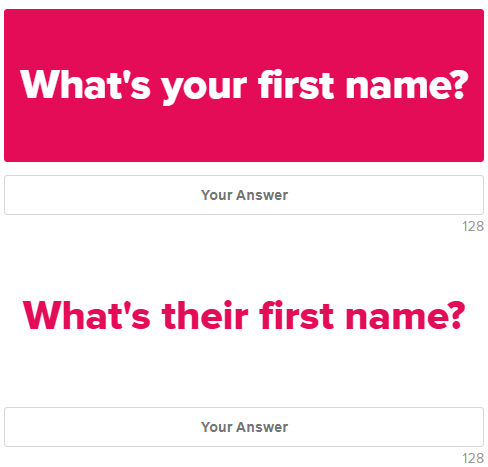
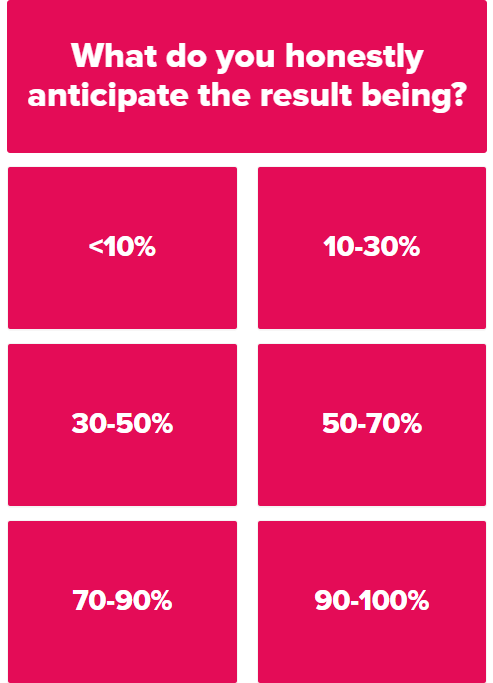
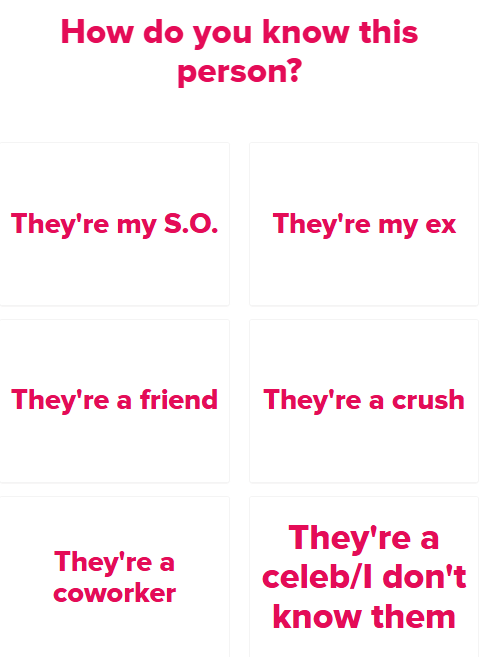
The Questions You’ll See
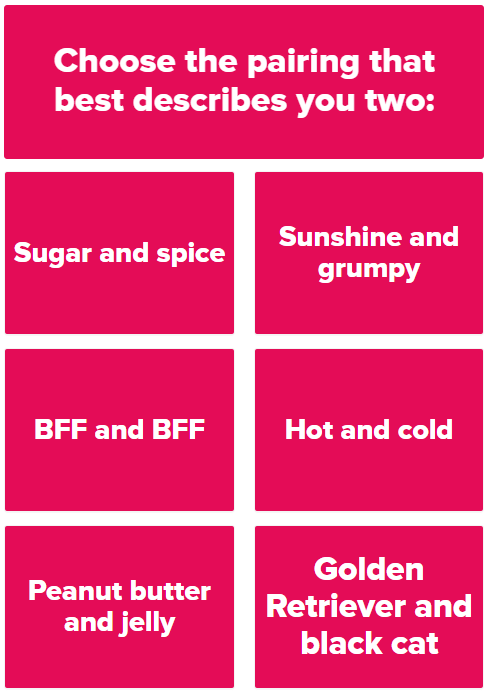
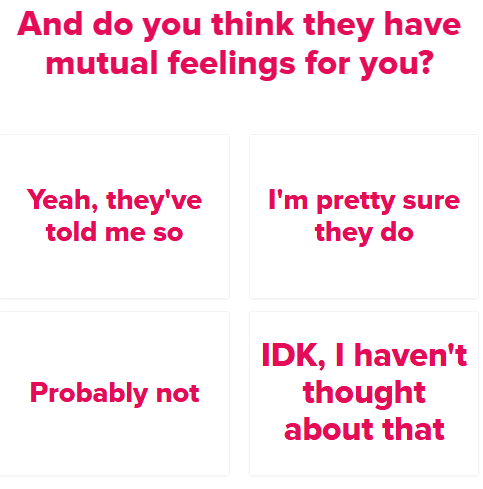
What the Score Actually Means
Once the algorithm finishes chewing on your letters and digits, you’ll land somewhere between 0% and 100%. Here’s roughly how people read that number, again, purely for laughs:
- High scores (80–100%): Congratulations, the internet says you’re soulmates. Screenshot it. Just remember the tool has no clue whether you two actually get along in real life.
- Mid-range scores (40–79%): This is where most people land, and honestly it’s the most believable-feeling range: specific enough to seem meaningful, vague enough to fit almost anyone. It’s also the range that sends people back to try a nickname instead of a full name, just to see if the number moves.
- Low scores (0–39%): Nobody wants this one, and everyone secretly wants to run it against their ex anyway. A rock-bottom score makes great meme material and usually kicks off a “how dare you, algorithm” reaction that gets shared immediately.
Can the Score Change?
Yes, and unlike an actual attachment style, this takes about ten seconds. Since everything here runs off names and dates instead of lived experience, changing the input changes the output instantly.
Swap in a nickname. Add a middle name. Test the same crush against a friend’s name just to compare. Every tweak reruns the formula and often produces a wildly different number. That instability is half the fun; this rewards curiosity way more than it rewards accuracy.
Using the Results (Without Overthinking Them)
The best way to use a result is exactly how most people already do: as a conversation starter, not a verdict.
- Share it with intention: A high score with a crush is a low-pressure way to signal interest without saying anything out loud. A low score with your sibling is just funny.
- Compare with friends: Run the same pairing through a few tools and argue about who “wins.”
- Don’t let it replace an actual conversation: This makes a great icebreaker and a terrible relationship counselor. If a number starts shaping how you feel about a real person, close the tab and talk to them instead.
- Remember it’s math, not magic: The formula adds up letters. It has no idea if someone makes you laugh or if you actually want the same things out of life. Keep it in perspective, and it stays fun.
Why This Format Never Really Dies
This has survived every era of the internet, chain emails, early-2000s fansites, Myspace widgets, and now interactive quiz builders with an “AI” voiceover slapped on top. The format barely changes because the appeal doesn’t age. Two names in, a percentage out, someone screenshots it before the page even finishes loading.
Quiz sites and dating-adjacent blogs keep coming back to this idea for the same reason they always have: it’s quick to build, effortless to share, and genuinely fun to argue about. Whether it’s sitting on a personal blog, a coaching site, or a brand’s landing page, it reliably pulls in curious visitors looking for two minutes of harmless distraction.
Building One with Outgrow
Outgrow’s quiz and calculator builder lets you put one of these together without writing any code. You control the branding, the formula logic, and the tone, from a straightforward name-based version to something more elaborate that blends birthdates and numerology.
1. Set up your account
Sign up or log in; no developer needed.

2. Pick your format
Choose “Calculator” or “Quiz” from the dashboard. Start from a template or build from a blank canvas.

3. Design the formula
Decide what drives the score: names, birthdates, or both, and use Outgrow’s logic tools to assign values and weightings.
4. Write the inputs
Keep it short: a couple of name fields, maybe an optional birthdate, maybe one playful bonus question.
5. Set up the results logic
Map score ranges to result messages, from “basically soulmates” down to “just friends,” using conditional branching.
6. Launch and connect it
Embed it on your site and hook it up to Mailchimp, Klaviyo, HubSpot, Salesforce, or whatever CRM you’re already using, plus social sharing for one-tap results.
7. Watch the numbers and tweak
Outgrow’s dashboard shows completion rates, the most common scores, and where people drop off; use that to adjust copy, formula, and design over time.
Final Thoughts
It is not meant to be taken seriously at all, and that is precisely why it exists. This is nothing but a two-minute distraction from one’s curiosity towards their crush, their partner, or former lover. No therapy session, no self-reflection required, just names, a bit of arithmetic, and a percentage worth arguing about.
Whether you’re building one for your own site or just want to try one for a laugh, this kind of tool is still one of the internet’s most reliable, low-effort forms of fun.
Want to see the platform in action? Start your 7-day free Outgrow trial and build your first love calculator today.
Frequently Asked Questions
No, and that was never its purpose. This is just a simple calculation that you use for fun. Remember that the result is only a conversation starter.
Yes. Since the result depends entirely on the exact input, swapping a nickname for a full name (or adding a middle name) can change the outcome completely. That’s part of the appeal, not a glitch.
Not really. Birthdate-based tools borrow numerology logic instead of letter values, but both are equally playful and equally unscientific. Use whichever sounds more fun.
Keep the inputs to just a couple of fields, make the result screenshot-friendly, and give your result messages some actual personality. A love calculator spreads through shares, so the payoff has to feel worth posting.

Sakshi is a digital marketing enthusiast passionate about connecting brands with audiences. With a background in content strategy and social media, she loves turning trends into actionable strategies. Outside of work, you’ll find her reading a book or hunting for the perfect cup of coffee.