Best Quiz Makers for Lead Generation in 2026: 12 Tools Compared
TL;DR
Table of Contents
- Most quiz maker tools were designed for fun. Very few were actually built with lead generation in mind.
- Outgrow keeps coming out on top when the goal is qualified leads, especially when you need quizzes, calculators, and recommendation tools working together.
- Free tools like Typeform and Google Forms will get you started, but they hit their limits fast once CRM sync and conditional logic become necessary.
- We spent six weeks testing every tool on this list on how to make an interactive quiz with real paid accounts. Every opinion, weakness, and price point below comes from actual usage.
The numbers back this up: interactive content like quizzes drives 52.6% higher engagement than static content, and quiz completion rates sit at around 65% on average, with roughly 40% of people who start a quiz converting into a lead, far ahead of what a gated PDF or whitepaper typically delivers.
Quick Comparison Table
| Tool | Best For | Calculator Support | Starting Price | G2 Rating |
| Outgrow | Lead gen + interactive calculators | Native | $22/mo | 4.8 |
| Typeform | Conversational quizzes | Limited | $39/mo | 4.5 |
| Interact | Personality quizzes | No | $39/mo | 4.7 |
| LeadQuizzes | Lead qualification funnels | No | $13/mo | 4.4 |
| Riddle | Publishers and media | Basic | $110/mo | 4.6 |
| Involve.me | Multi-step funnels | Limited | $49/mo | 4.6 |
| Jotform | Forms plus quiz combo | Basic | $39/mo | 4.7 |
| Opinion Stage | Polls and engagement | No | $32/mo | 4.5 |
| Marquiz | Pay-per-lead agencies | No | $39/mo | 4.3 |
| Meiro | AI budget quizzes | No | $19/mo | 4.2 |
| Fillout | Free quiz building | No | $19/mo | 4.5 |
| SurveyMonkey | Enterprise surveys | No | $899/mo | 4.4 |
How We Tested These Tools
Six weeks. Twelve platforms. Real paid accounts, not just free trials where everything useful sits behind an upgrade wall.
Here is what our evaluation covered:
- Lead capture mechanics: We needed to know whether you could gate quiz results behind an email form, when that gate shows up in the quiz, and how much friction it actually creates for someone completing it on a phone.
- Logic and branching: We built the same 12-question branching quiz on every platform and timed setup. We then went through all the quizzes many times to verify that there were no dead ends or display issues.
- CRM and ESP integrations: We integrated each of them into HubSpot, MailChimp, and ActiveCampaign using their native integration capabilities. The reason for this is that any workaround solution using Zapier will add latency to the system and create additional failure points for debugging, in case a lead gets lost.
- Calculator functionality: For B2B teams especially, this feature separates serious lead gen tools from everything else. ROI calculators and pricing estimators consistently bring in higher-quality leads than standard quizzes. We tested whether each platform could produce a working calculator without writing a single line of code.
- Analytics depth: We tracked question-level drop-off rates, lead scoring output, and whether the platform sends genuinely useful data to a CRM beyond just a name and email address.
- Mobile experience: More than 60 percent of quiz traffic comes from mobile in most industries. Every quiz we built got tested on iOS and Android before we scored the tool.
- Template quality: We checked whether starting templates were actually ready to use or basically empty frames that need rebuilding from scratch.
We also went through G2 and Capterra reviews from the past year, focusing on 3-star reviews. That is where real frustrations tend to surface.
The 12 Tools: Full Reviews
1. Outgrow: Best for Lead Generation and Interactive Calculators
Best for: B2B marketers, agencies, and growth teams who need more than a personality quiz. ROI calculators, scored assessments, and product recommenders that segment leads before they ever reach a sales rep.
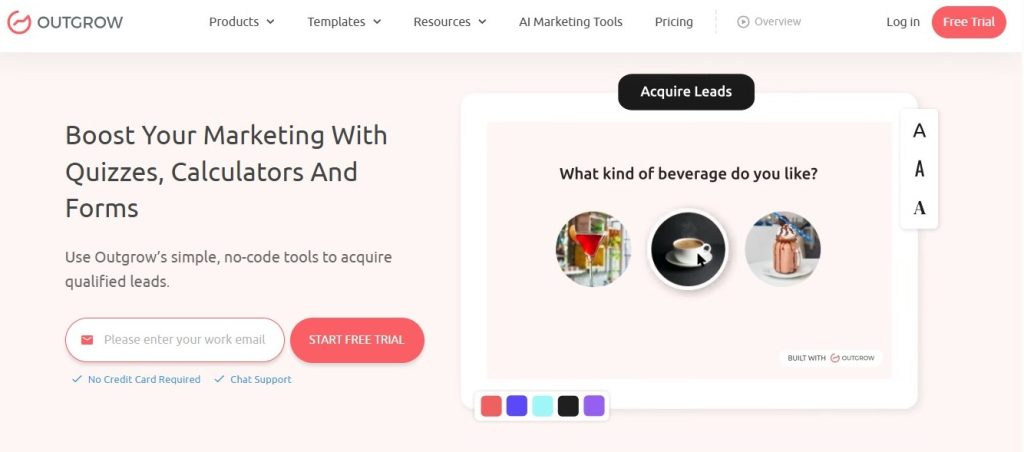
If you have ever tried building a working calculator inside Typeform and walked away frustrated, Outgrow solves that problem. Here’s a quick comparison of Outgrow vs Typeform. It is the only platform on this list where calculators are a primary feature, not something someone figured out as a workaround on a community forum.
The Outgrow Quiz Maker is built around the idea that engaging your audience and converting them should happen in the same experience, not in separate tools stitched together.
Strengths: The branching logic is the most flexible we have worked with across all twelve platforms. You can weight individual answers differently, set scoring thresholds for specific result pages, and build qualification paths that actually tell you something meaningful about a lead. That is a completely different thing from a quiz that collects answers and calls it done.
Calculators are native: Mortgage calculators, savings estimators, ROI tools, pricing configurators, all built inside the same interface you use for quizzes. This matters more than most marketers realize. Outgrow’s analysis of 50,000+ forms found that interactive forms achieve an average conversion rate of 47.3%, compared to just 2.8% for traditional static forms, a 16.9x difference. Absolutely no need for a developer, no other third-party tools to be added. Integration with HubSpot, Salesforce, Marketo, Mailchimp, and ActiveCampaign is built in, and real data passes through. Lead scores, single answers, and results categories are transferred to your CRM. Sales can now know why a particular lead needs to be contacted, apart from the fact that they completed something.
Weaknesses: Learning curve is somewhat high. Users who come from other drag-and-drop form builders will have difficulty managing the extensive options panel during their first attempt. Allocate about two to three hours to familiarize yourself before going on client projects.
Pricing: $22 per month (Freelancer Limited Plan).
Who is it for: Content marketing agencies and B2B businesses needing to generate leads through calculators and assessments.
2. Typeform: Best for Conversational, Brand-Forward Quizzes
Best for: Teams that pay attention to the aesthetic nature of the quiz and where the completion rate is more important than the in-depth lead analysis behind the scenes.

Typeform earned its reputation honestly. Showing one question at a time removes the visual overload that kills completion rates on longer forms, and the finished product looks like something a design team built rather than something assembled in an afternoon.
Strengths: On pure design quality, nothing on this list comes close. When the quiz is customer-facing, and brand presentation is part of the objective, this is the safest aesthetic choice. Logic jumps handle basic conditional branching well enough for most B2C situations without requiring any technical background. Embed formats, including pop-up, inline, and full-page, all work cleanly.
Weaknesses: Calculator support is basically nonexistent. Basic scoring works, but building a real pricing estimator or ROI tool means connecting Typeform to Zapier to a separate calculator tool. Three dependencies for one feature are too many. Lead data sent to CRMs stays thin. You get contact details and raw answers, but there is no native lead scoring.
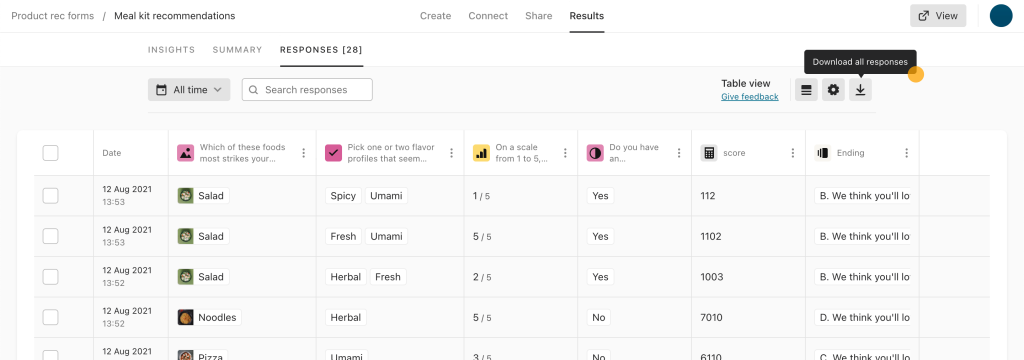
Exporting images through bulk exportation from media files cannot be done since Typeform lacks such functionality, and the user is only able to conduct bulk exportation of the form data, which includes the download link for the images but not the actual images.
Pricing: $39/month (Basic) up to $129/month (Business).
Who it is for: Direct-to-consumer brands, coaches, and content creators who are concerned about the look of the quiz and who do not depend on lead scoring for sales pipeline decisions.
3. Interact: Best for Personality Quizzes and Email List Growth
Best for: Creators, coaches, and course sellers who want a straightforward path from quiz completion to email subscriber.
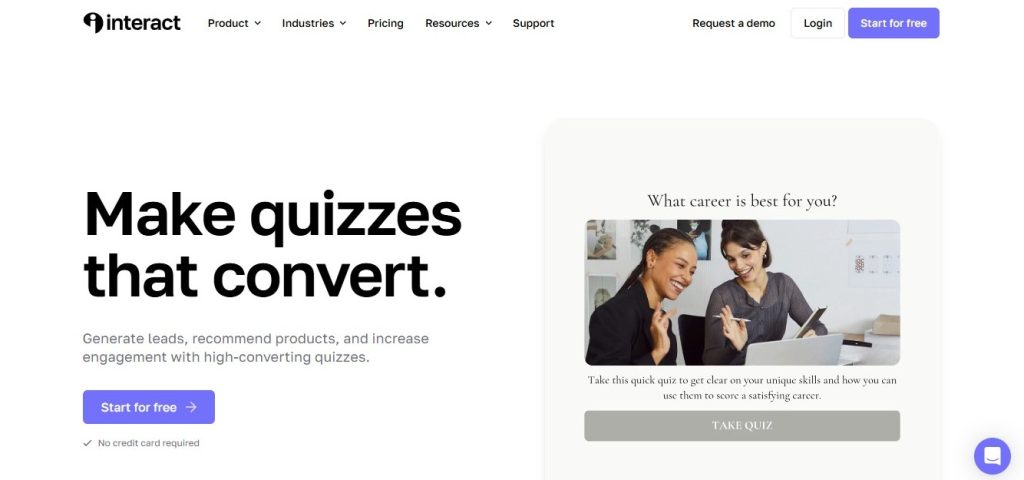
Interact has held its reputation in the creator space for years, and the reason is simple. The platform is built around ‘which type are you?’ quiz formats, and those quizzes made using a quiz maker convert well when the topic connects with how an audience sees itself.
Strengths: Template quality is genuinely high. Personality quiz templates for coaches and educators arrive ready to customize rather than requiring a full rebuild. Email integration works fast. ConvertKit, Mailchimp, and Drip all connect within a few minutes.
Weaknesses: No calculators exist on this platform in any form. If your plans eventually include anything beyond a scored personality quiz, you will need a different tool. Branding customization hits a ceiling on lower plans.
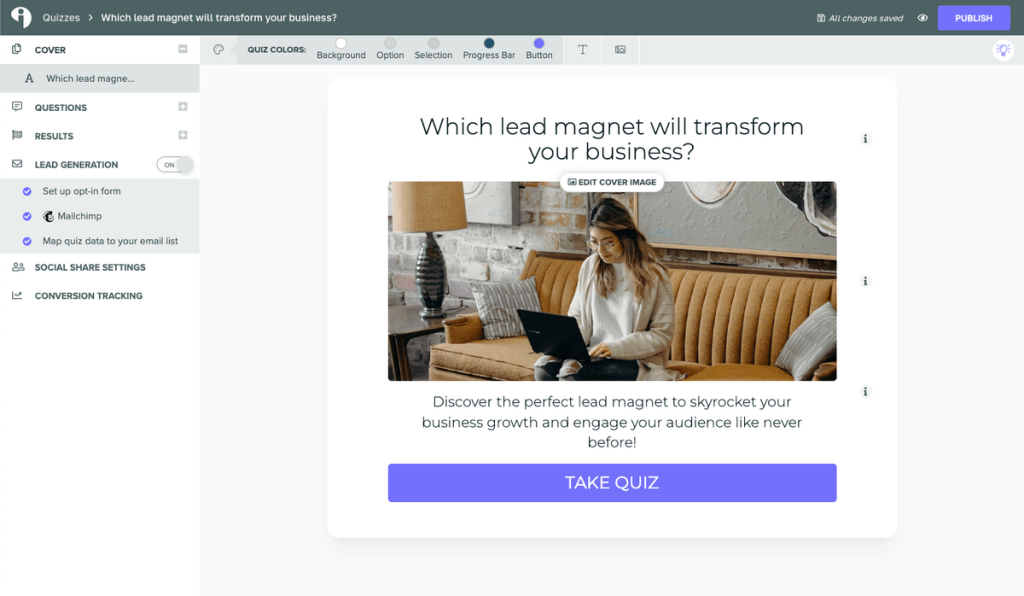
Users want to have better customization capabilities on the results page since Interact currently feels restricted in its formatting options.
Pricing: $39/month (Lite) up to $209/month (Pro).
Who it is for: Online coaches, bloggers, and creators who want to grow an email list through quiz content.
4. LeadQuizzes: Best for Lead Qualification Funnels
Best for: Direct-response marketers and the agencies behind paid traffic campaigns whose entire premise is in filtering leads before they even get to the sales team.
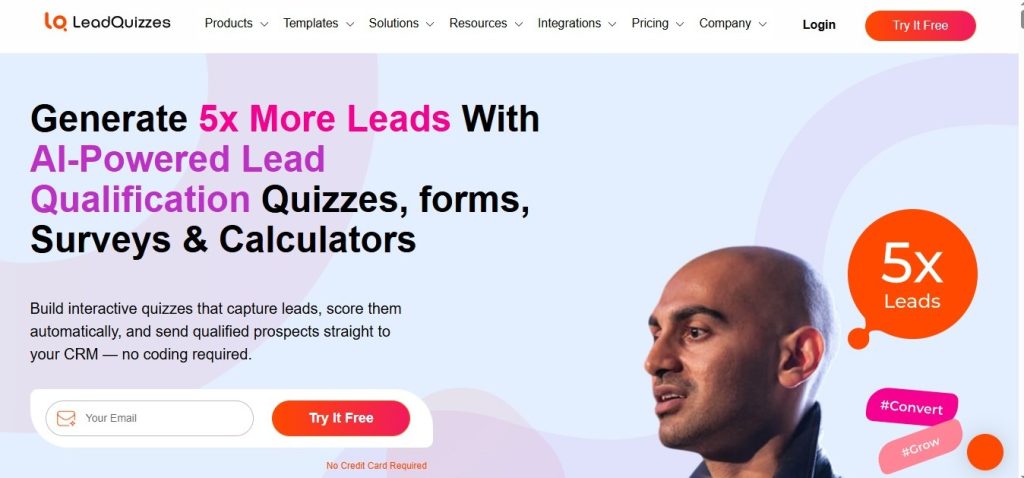
There is an underlying philosophy behind LeadQuizzes, which is that a good quiz will filter out the wrong leads as efficiently as the right ones. It works to this strength, making it more focused than general quiz makers trying to do everything at once.
Strengths: Lead qualification logic is where this platform puts most of its energy. You can score leads, apply tags based on specific answers, and route people into different follow-up sequences without manual work. A/B testing is included without needing an external tool. The analytics actually help you optimize, with drop-off rates by individual question.
Weaknesses: No calculator support at all. The interface looks older than the other tools we tested. It works reliably, but the visual experience has not kept pace with where the category has moved.
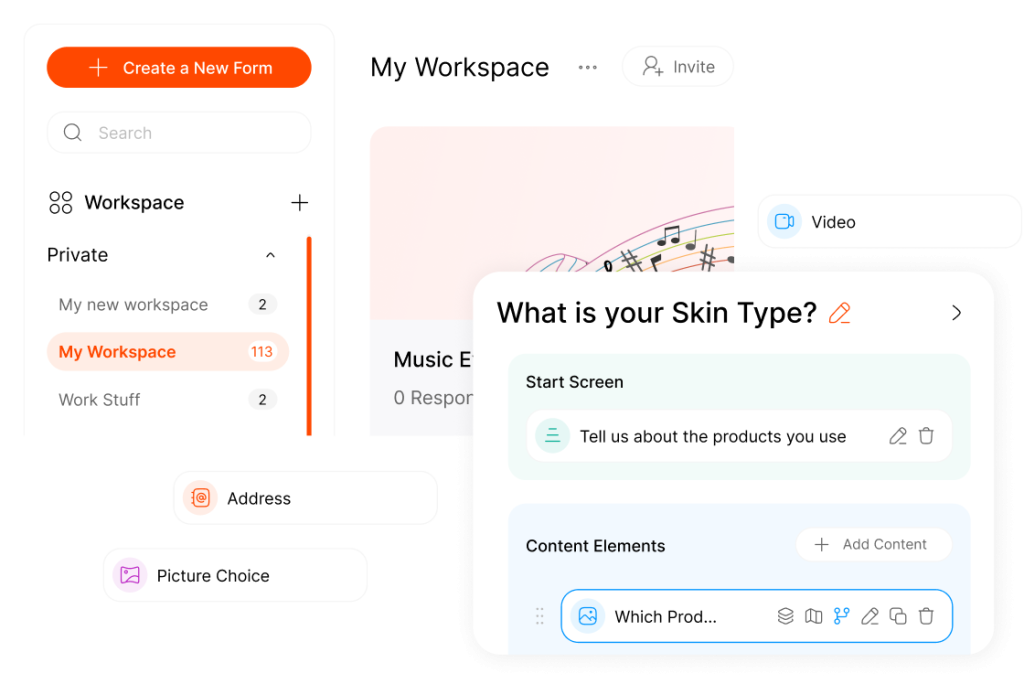
Users can’t convert their already existing quizzes from one format to another using LeadQuizzes’ native functionality.
Pricing: $13/month (Startup) up to $249month (Premium).
Who it is for: Performance marketers running Google Ads who use quiz funnels to filter traffic before it hits a sales conversation.
5. Riddle: Best for Publishers and Media Sites
Best for: Editorial teams, media companies, and content publishers who need quiz content to feel like a natural part of their article pages.
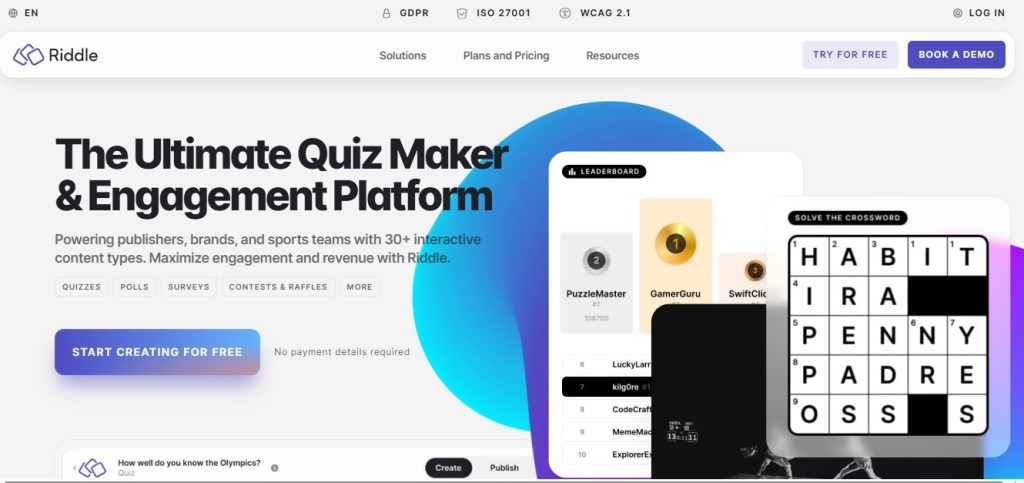
Riddle was designed specifically for publishing contexts, where a quiz maker sits inside editorial content rather than functioning as a standalone conversion page.
Strengths: The range of quiz formats is the widest on this list. Trivia, polls, personality quizzes, and ranked-choice formats all feel native. Paid plans remove all Riddle branding, which matters in editorial contexts where third-party logos reduce credibility. GDPR compliance tools are more developed here than on most competing platforms.
Weaknesses: Lead generation is clearly not the main focus. The platform is optimized for engagement and time-on-page metrics, not sales pipeline. CRM integrations are limited.
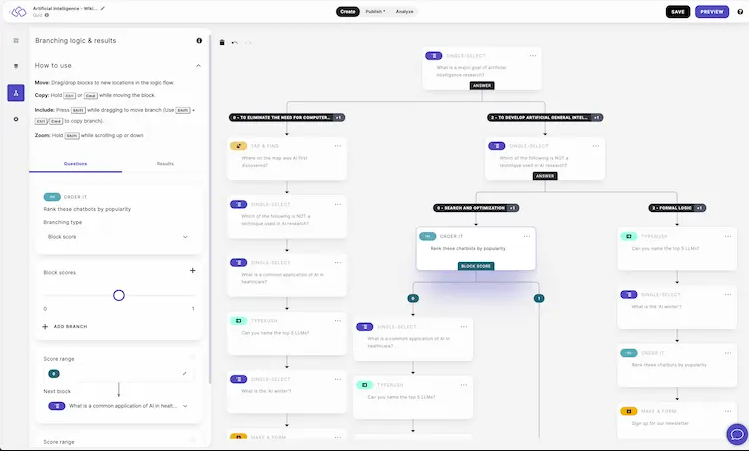
The learning process is difficult at first, even though there are online tutorials to assist.
Pricing: $110/month up to $685/month.
Who it is for: Publishers, media organizations, and editorial content teams.
6. Involve.me: Best Quiz Maker for Multi-Step Interactive Funnels
Best for: Teams who want to chain a quiz, a lead form, a payment step, and a booking link into a single connected experience.
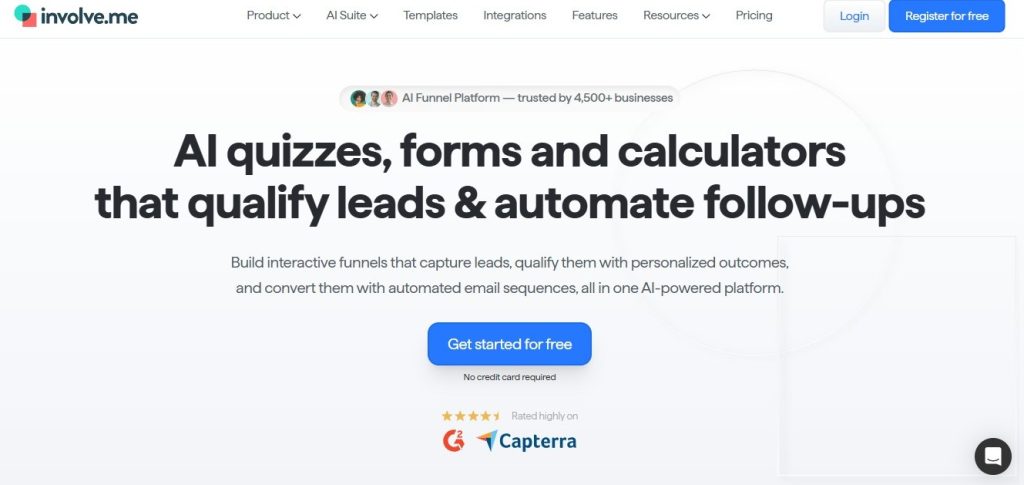
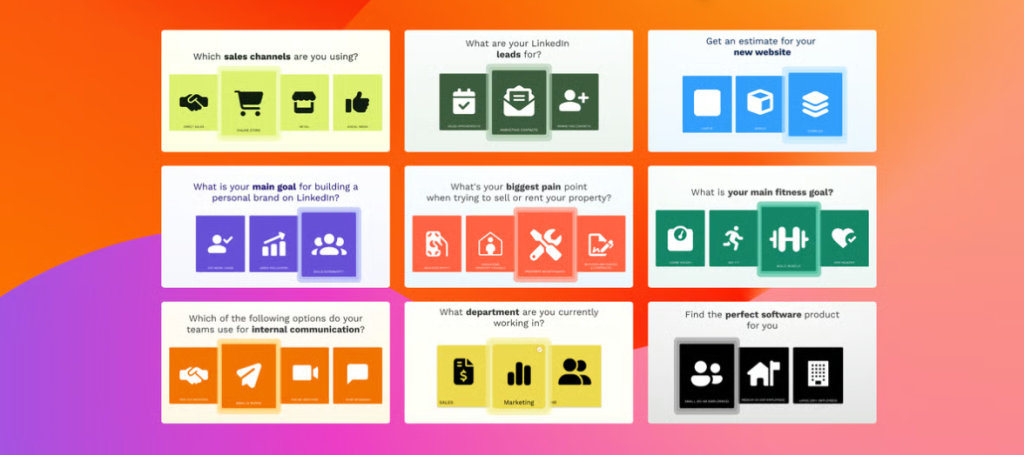
Involve.me has bigger ambitions than a typical quiz maker. When the logic holds together, you can build experiences that function like small applications: quiz results flow into a booking form, which connects directly to payment collection.
Strengths: The multi-step funnel approach stands out from every other tool we tested. For service businesses that need to qualify leads and book them in the same session, this solves a real problem. Payment and booking integrations are available, which most quiz builders skip over entirely.
Weaknesses: Calculator support runs into walls. Basic arithmetic works, but building a complex ROI or pricing tool requires manual workarounds. We encountered display bugs on mobile while testing complex logic flows.
Users seek more integration possibilities, requesting additional templates and better price options.
Pricing: $49/month (Starter) up to $399/month (Enterprise).
Who it is for: Service businesses, consultants, and agencies building multi-touch funnels where qualification and scheduling need to happen in the same session.
7. Jotform: Best for All-in-One Form and Quiz Workflows
Best for: Existing teams using Jotform to collect forms and looking to incorporate quiz capabilities without having to go for an entirely new tool.
While Jotform was designed initially as a form-builder, its built-in quizzes over time have proven more robust than many people appreciate. If your teams are already working within the Jotform universe, taking this route will likely make the most sense for you.
Strengths: By far, it has the most comprehensive integration library on this list – more than 150 integrations – which includes all popular CRMs, payment gateways, and marketing tools. The back-end technology powering Jotform is top-of-the-line and boasts great uptime.
Weaknesses: Quiz UX is not a product priority, and it shows. Completing a Jotform quiz feels like filling out a form with a different label rather than engaging with something built for the format. Calculator support exists technically, but it hits its limits quickly.
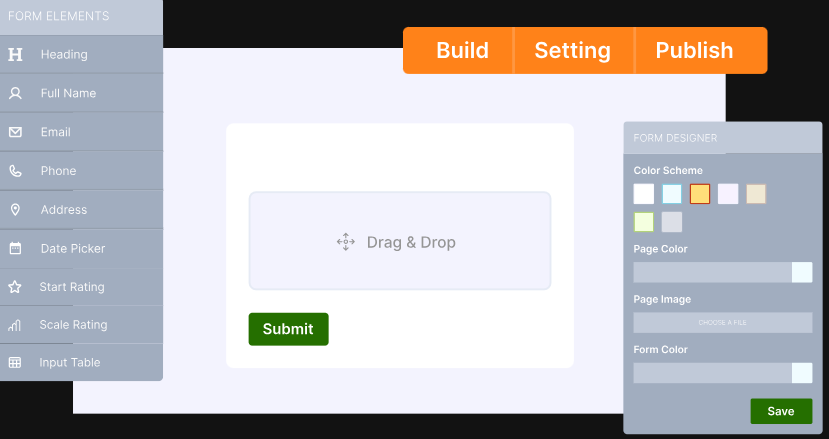
Users find form design options limited and face problems regarding navigation and customization according to their requirements.
Pricing: Free plan available. Paid plans from $39/month.
Who it is for: Operations teams, HR departments, and SMBs already inside the Jotform ecosystem who need occasional quiz functionality.
8. Opinion Stage: Best Quiz Maker for Polls and Engagement Quizzes
Best for: Social media managers and content teams whose primary goal is driving shares and on-page interaction rather than the sales pipeline.
Opinion Stage Quiz Maker is an engagement platform first, focusing on polls and personality quizzes that encourage visitors to share results publicly. To drive that same level of viral engagement on visual platforms, using an Instagram Caption Generator can help you write the compelling hooks needed to turn a simple poll into a trending social conversation, ensuring that your interactive content gets the eyes it deserves even if lead generation sits in the background.
Strengths: The social sharing mechanics are the most developed we tested across all twelve platforms. Result pages are structured to be shared, and the loop from quiz result to social post to new quiz visitor works noticeably better here than anywhere else. Simple quizzes and polls can go from idea to live in under 10 minutes.
Weaknesses: Lead qualification is surface-level. You can collect email addresses, but there is no scoring or segmentation logic that a growth marketer would find useful. No calculator support.
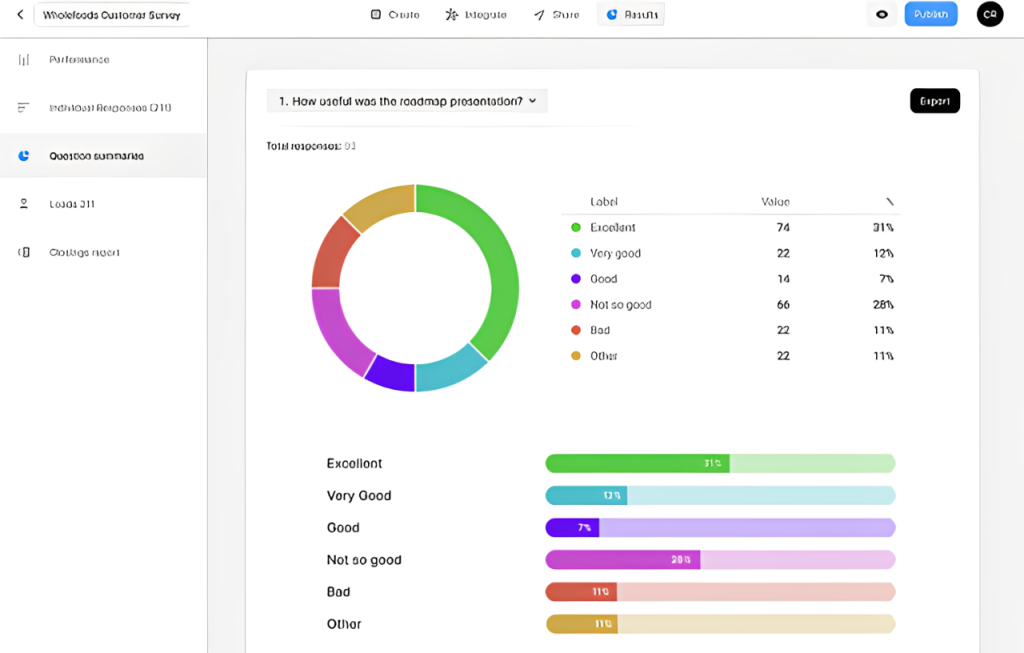
Opinion Stage doesn’t offer the user a funnels feature separately; users have to analyze the exported data themselves and find ways to improve their performance.
Pricing: $32/month (Starter) up to $99/month (Business).
Who it is for: Media brands, social content teams, and anyone building quizzes for audience engagement and organic sharing.
9. Marquiz: Best Quiz Maker for Agencies Running Pay-Per-Lead Campaigns
Best for: Agencies that bill clients per lead generated and need organized multi-client account management inside a single platform.
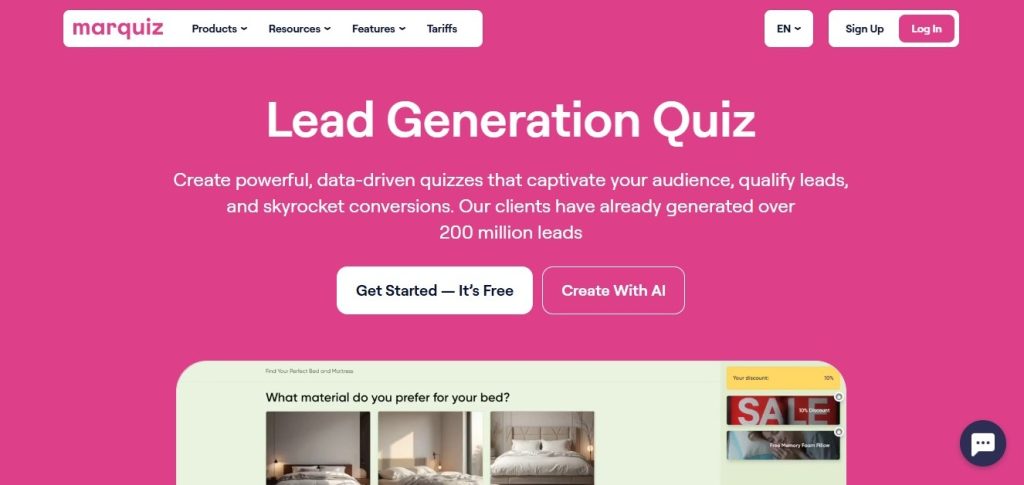
Marquiz built its feature set specifically around agency workflows, and that focus comes through clearly in how the platform is structured. It is particularly popular in Eastern European markets where quiz funnels have been a dominant lead gen format for years.
Strengths: Multi-client management is the strongest we found in this category. Agencies can build, customize, and hand off quizzes with clean account separation. White-labeling is available without enterprise pricing. The quiz-to-messenger integration supporting WhatsApp and Telegram delivery is genuinely unique and effective in markets where those channels are used heavily.
Weaknesses: Design customization is more restricted than Outgrow or Typeform. No calculator functionality at all.
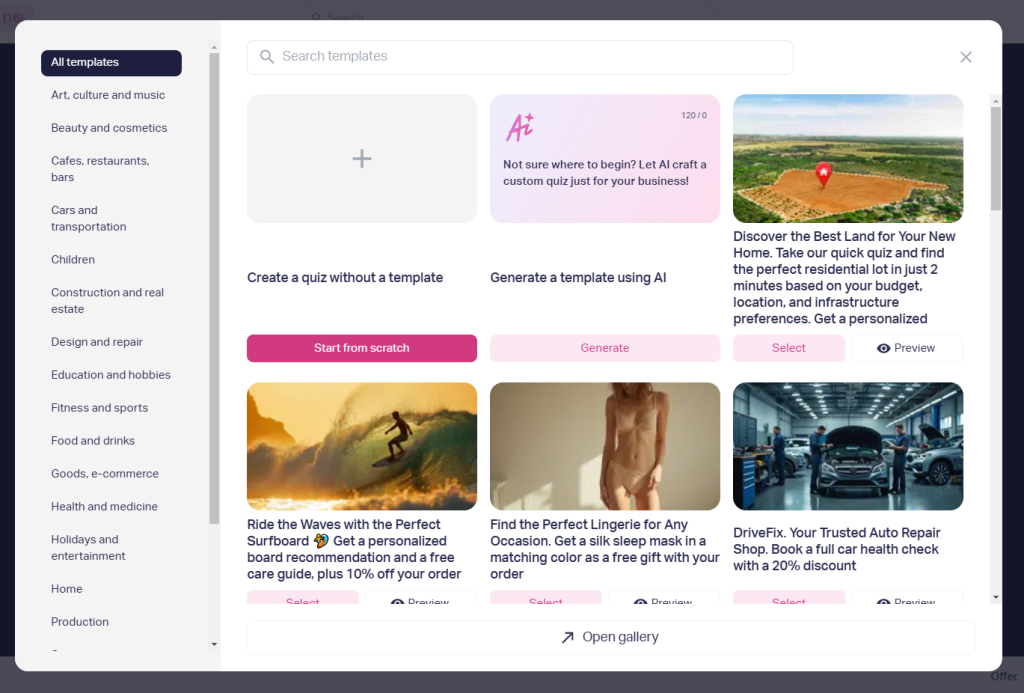
Pricing: $39/month (Starter) up to custom agency pricing.
Who it is for: Agencies running quiz funnels for clients in high-volume verticals like real estate, insurance, and financial services.
10. Meiro: Best for AI-Powered Quiz Creation on a Budget
Best for: Solo marketers and small teams who want AI to handle the initial quiz draft using quiz maker and are working with a limited budget and limited time.
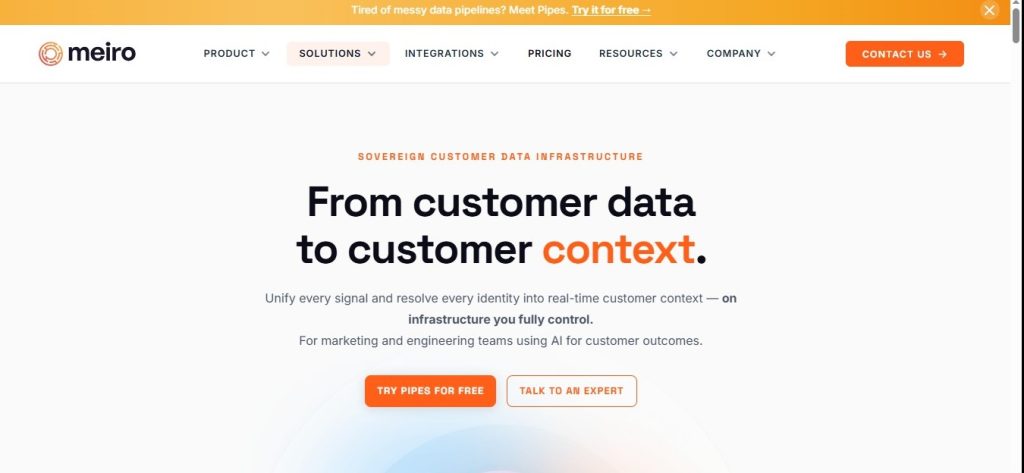
Meiro leaned into AI quiz generation earlier than most competitors and has made it the central feature. You define your audience and your objective, and the AI creates the first draft of your quiz, complete with branching, questions, and results. It requires some editing to make it ready for publication, but it reduces the gap between having nothing and getting started significantly.
Strengths: The AI output is practically useful as a starting point rather than just a headline feature that disappoints on delivery. Full quiz logic gets drafted, not just a list of suggested questions. Pricing is the most accessible on the list.
Weaknesses: AI-generated content will always need human editing to become publishing-ready. The CRM integrations are limited in comparison with what you would expect from an application that is commonly used for lead generation.
Price: Starting from the Manual Plan ($19/month) to AI Magic Max ($69/month..
Who it is for: Ideal for solopreneurs, marketing departments, and individuals needing fast quiz content creation without having a quiz strategist on board.
11. Fillout: Best Free Quiz Maker for Simple Use Cases
Best for: Bootstrapped founders and freelancers who need a working quiz published today with a budget of zero.
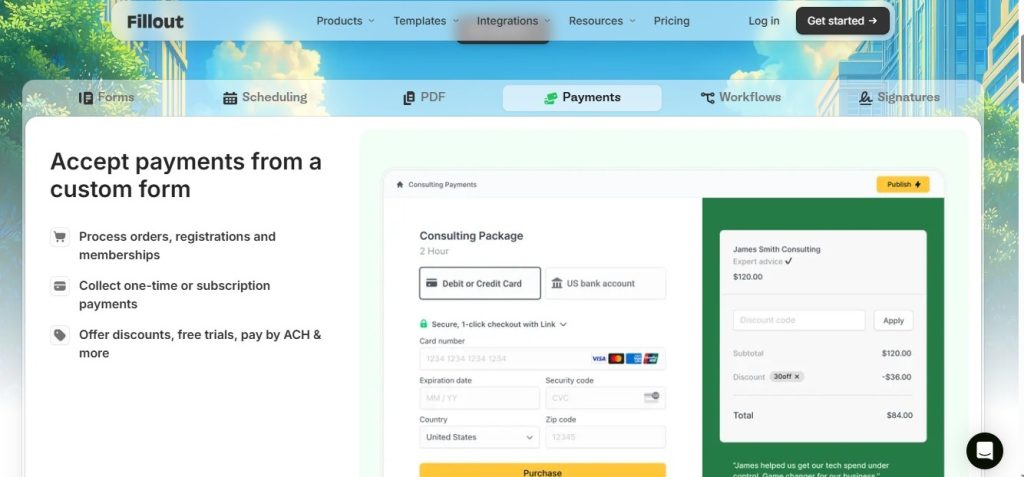
Fillout delivers more than its price suggests on the free plan. Conditional logic, a clean interface, and basic integrations are all available before any payment details are entered. For straightforward lead capture quizzes, it gets the job done without making you feel like you are fighting the tool.
Strengths: The free plan is the most usable on this list without any payment commitment. The combination of form and quiz functionality feels cohesive rather than forced together. Setup time is the fastest we measured. A basic quiz can go live in under 15 minutes for someone with no prior experience on the platform.
Weaknesses: Lead scoring, CRM sync, and anything resembling a recommendation quiz with actual product mapping will hit the platform ceiling. It offers limited question types in comparison with the wide range of question types available under the Outgrow builder.
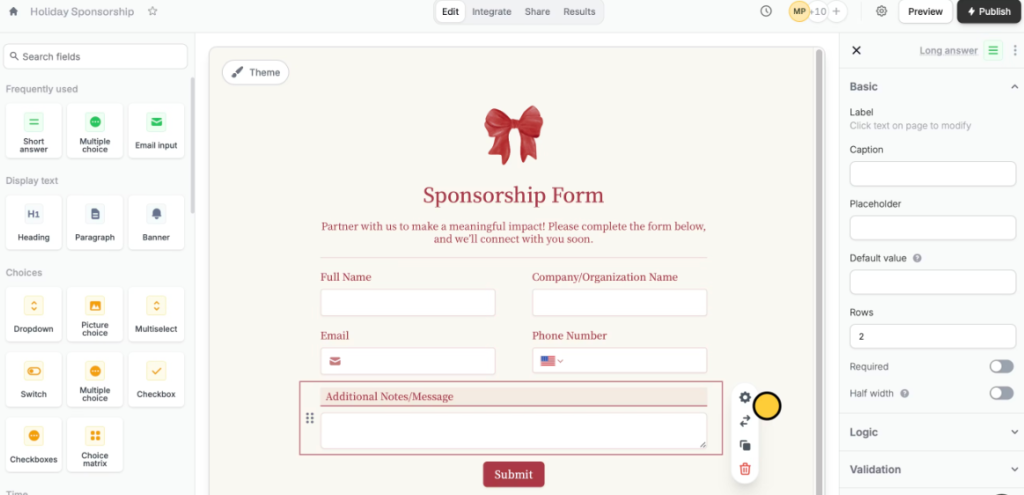
Pricing: Free plan available. Paid plans from $19/month.
Who it is for: Early-stage startups and freelancers who need something live today and have no budget to work with right now.
12. SurveyMonkey: Best for Enterprise Research and Feedback Programs
Best for: Enterprise teams running formal research, NPS tracking, or internal feedback programs where lead generation is not part of the picture.
SurveyMonkey keeps coming up in conversations about quiz tools for lead gen, and we are including it here specifically to be honest about the mismatch. It is a research platform. The survey logic is thorough, the respondent panel is genuinely valuable for primary market research, and the brand name moves quickly through enterprise procurement. But using it for quiz-based lead generation is a square peg in a round hole situation from the start.
Strengths: Enterprise compliance credentials, including SOC 2, HIPAA, and GDPR, make security reviews fast and straightforward. IT and legal teams approve it without prolonged review cycles, which matters in large organizations where software procurement is slow.
Weaknesses: Lead generation was never part of the product vision. No lead scoring, no page result personalization, no logic in the sales funnel that would allow a growth hacker to consider it seriously enough for pipeline development.
The restrictions on the free plan are very restrictive for users, making it hard for them to exploit the full potential of SurveyMonkey.
Price: $899/month (individual subscription) and up to custom enterprise packages.
Who is it for: Researchers, human resources divisions, and enterprises needing to collect structured feedback. Not suitable for revenue generation through interactive content.
Use Case Guide: Which Tool Fits Your Situation
E-commerce
The highest-value quiz format for e-commerce stores is a product recommendation quiz. Shoppers answer five to seven questions about their preferences, then land on a result page showing matched products they can buy right away. Outgrow handles this better than anything else we tested because you can factor in multiple attributes simultaneously and map specific answer combinations to specific SKUs. Interact works well, too, for stores with simpler catalogs. SurveyMonkey, Jotform, and Opinion Stage are the wrong tools for this use case.
The business case is clear: brands using interactive assessments see 40% higher lead-to-MQL conversion rates, and Outgrow customers in fashion, beauty, and consumer electronics consistently report a 15–30% conversion rate lift over static product pages.
Our pick: Outgrow Quiz Maker. Runner-up: Interact.
B2B Lead Generation
This is where the gap between platforms becomes genuinely significant. B2B buyers engage with value-first content like ROI calculators, cost estimators, and readiness assessments before they respond to sales outreach.
81% of B2B buyers say they prefer interactive content over traditional static content, and deals that include an interactive proposal or ROI calculator close 43% faster than deals relying on traditional collateral.
The quiz needs to score leads, segment them by profile, and push that context to a CRM automatically so sales have something to work with. Only Outgrow does all three reliably enough to build a real demand generation program around. An assessment quiz that scores a lead’s pain level or operational maturity also performs well in B2B. Typeform can get close, but the downstream lead data stays too shallow to act on with confidence.
Our pick: Outgrow. Runner-up: LeadQuizzes.
Content Creators and Coaches
Creators do best when their quiz taps into how the audience sees itself. Personality quizzes, style quizzes, and knowledge tests work particularly well in this context. Interact was built around this format, and the email integration with ConvertKit and Mailchimp is the smoothest we have worked with across all twelve platforms. Typeform is a strong second for creators who want a more polished visual presentation.
The data supports this: interactive content generates twice as much engagement as static content and can double conversion rates, and marketing quizzes reduce cost per lead by 25–60% compared to traditional lead generation methods. (Sources: Content Marketing Institute via Embryo)
Our pick: Interact. Runner-up: Typeform.
Final Verdict
We tested 12 best quiz maker tools honestly over six weeks, and the category is crowded, but the differences between tools are clearer than they first appear.
When lead generation is the actual goal, not just engagement, not just collecting email addresses, but a real pipeline with revenue attached to it, Outgrow wins the category by a meaningful margin. It is the only platform where quiz maker, calculators, assessments, and product recommenders all live in the same builder, send rich lead data to a CRM automatically, and provide analytics detailed enough to understand what is working and what is not.
The learning curve is real. We are not going to pretend otherwise. But it is also the only tool on this list that scales with a serious marketing operation rather than becoming a limitation six months after you have built your whole quiz strategy around it.
Typeform wins on visual design. Interact wins for creators. Fillout wins for teams with no budget. Riddle wins for publishers. But when lead generation is a business function with real revenue expectations tied to it, Outgrow is the answer we keep arriving at, regardless of which direction we start from.
Whatever you choose, the most common mistake is treating a quiz like a form with more personality. The tools that actually contribute to the pipeline are built around a single question: what does knowing this answer reveal about what this person needs? If your quiz platform cannot send that answer downstream to your sales team in a useful format, you have an engagement toy, not a revenue tool.
Ready to build your first lead generation quiz template? Start with Outgrow’s Lead Generation Quiz Templates, and most B2B and e-commerce use cases already have a working starting point ready for you.

Frequently Asked Questions
Outgrow is the strongest option for lead generation in 2026. The combination of quiz building, calculator functionality, and native CRM integrations with lead scoring means your sales team receives leads with actual context rather than just a name and email address.
Yes, though the quality of those integrations varies considerably across platforms. Outgrow, Typeform, and LeadQuizzes all offer native HubSpot and Salesforce connections. The important distinction is what data actually gets passed through. Outgrow sends lead scores, individual question answers, and result categories alongside contact information.
A quiz maker asks questions and returns a result in the form of a category, score, or recommendation. A calculator builder asks questions with numeric inputs and returns a calculated output like a price estimate, ROI figure, or savings projection.
For early testing to see whether a quiz concept resonates with your audience, a free tool can serve the purpose. Fillout’s free plan is the most capable option at no cost. But free plans almost always restrict lead scoring, CRM integration, and result-page personalization, which are the three features that turn a quiz from a content piece into a revenue channel.

Muskan is a Marketing Analyst at Outgrow. She is working on multiple areas of marketing. On her days off though, she loves exploring new cafes, drinking coffee, and catching up with friends.