Discover Hidden Bias with Harvard’s Implicit Association Test!
Table of Contents
Understanding human behavior is not always straightforward. Many of our decisions and reactions are influenced by unconscious associations that we may not even realize exist. The Implicit Association Test (IAT), developed through Harvard’s Project Implicit initiative, helps people explore these hidden patterns of thinking.
The test has become one of the most widely recognized psychological tools used to study unconscious bias. By measuring how quickly people associate different concepts, the IAT reveals subtle preferences that can influence everyday decisions.
In this blog, we will explore how the Implicit Association Test works, why it attracts global attention, and how brands and organizations can create similar interactive experiences to engage their audiences.
What Is the Implicit Association Test
The Implicit Association Test is an interactive assessment that measures how quickly people connect different ideas or categories.
Participants are asked to sort words or images into groups as quickly as possible. The speed of their responses helps identify whether certain concepts are more strongly associated in their minds.
For example, a test might measure how quickly someone connects:
- A male with a career
- Female with family
- Young with positive words
- Old with negative words
These associations are measured through reaction time rather than direct answers. This method helps researchers uncover patterns that may not appear in traditional surveys.
Experience the Implicit Association Test
Taking the IAT usually takes only a few minutes. The process begins with a few demographic questions followed by several quick sorting exercises.
Below are three example questions similar to those used before the test begins.
1. How many Implicit Association Tests (IATs) have you previously performed?
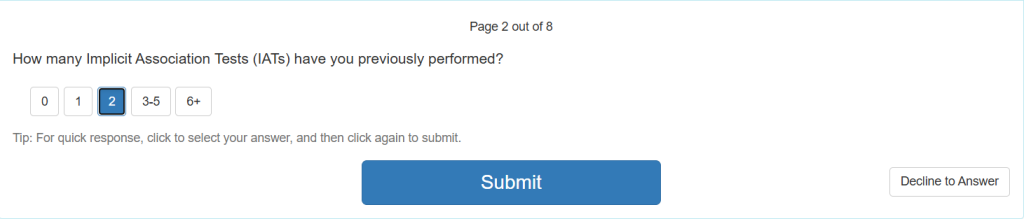
This question helps researchers understand whether prior exposure to the test affects response patterns.
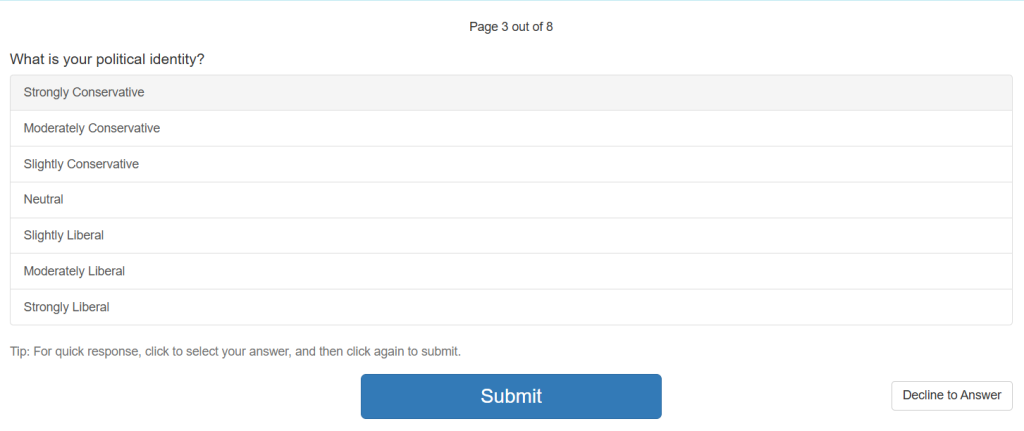
2. What is your political identity?
3. How religious do you consider yourself to be?
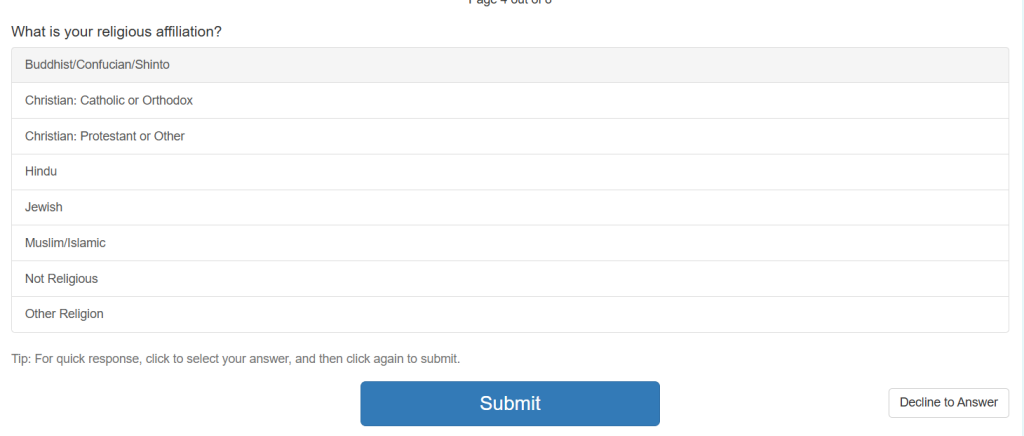
These responses help researchers study how cultural background and belief systems relate to implicit associations.
Why Interactive Tools Like the IAT Are Powerful: Powerful:
Interactive assessments are highly engaging because they actively involve participants in the experience. Instead of simply reading information, users participate and receive insights about themselves.
Interactive tools offer several advantages:
- Boost Engagement: Quizzes and assessments encourage users to participate actively rather than passively consuming content.
- Create Personalization: Participants receive insights tailored to their responses, which makes the experience more meaningful.
- Encourage Self-Reflection: Tools like the IAT help individuals explore their own thinking patterns and behaviors.
- Generate Valuable Data: Organizations can gather insights about audience preferences and attitudes.
Because of these benefits, interactive experiences are becoming an increasingly popular strategy for education, marketing, and research.
The Success of Harvard’s Implicit Association Test
The Project Implicit platform has attracted global attention from researchers, students, educators, and everyday users interested in understanding unconscious bias.
According to SimilarWeb analytics, the website receives strong engagement.
Key metrics include:
- Monthly visits: approximately 507.8K
- Bounce rate: around 37.65 percent
- Pages per visit: about 3.76
- Average visit duration: nearly 2 minutes and 58 seconds
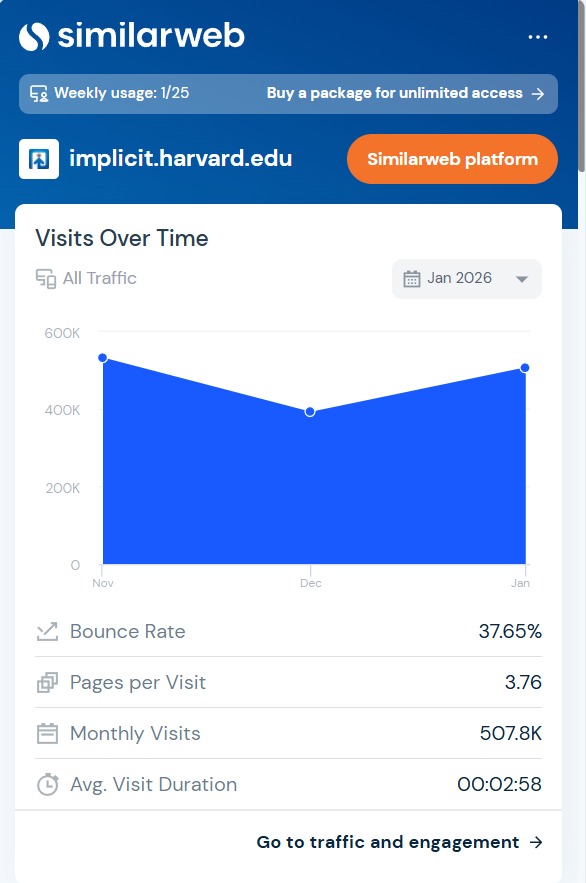
These numbers demonstrate that visitors spend time exploring multiple tests and learning about the research behind them.
The continued popularity of the IAT highlights how much people want to understand the psychology behind human behavior.
How to Create a Quiz Like the Implicit Association Test with Outgrow:
Inspired by the success of tools like the IAT, many brands and organizations are now creating interactive assessments to engage their audiences. With Outgrow’s powerful platform, building a similar quiz is simple and effective.
1. Sign Up for Outgrow
Create a free Outgrow account or log in if you already have one.

Enough theory. Here’s exactly how to build this using Outgrow. I’m recommending them because they’re simple and require zero coding
2. Choose Your Interactive Content Type
Select “Quiz” from the dashboard. Start from scratch or choose a template and customize it to match your brand style.

3. Add Your Questions
Craft engaging statements or multiple-choice questions that explore your audience’s beliefs, preferences, or opinions.

4. Set Up Outcomes
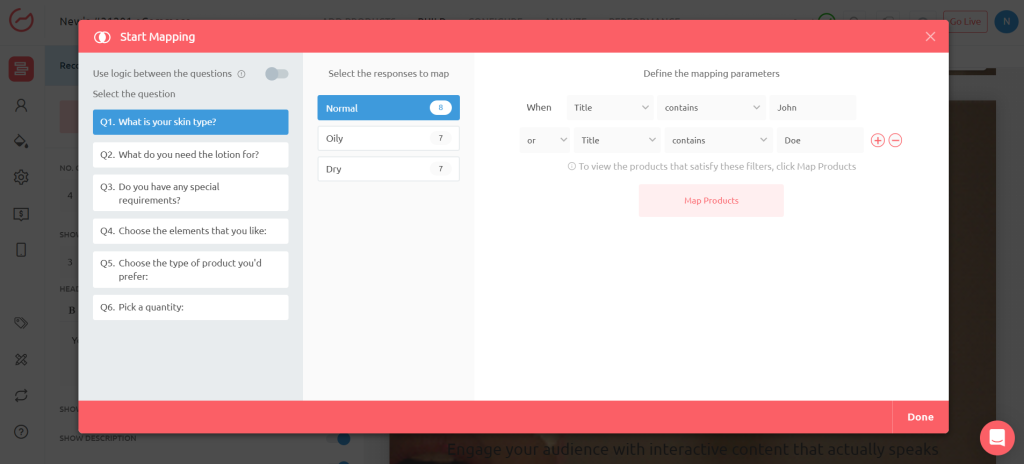
Use Outgrow’s advanced mapping feature to assign results based on responses.
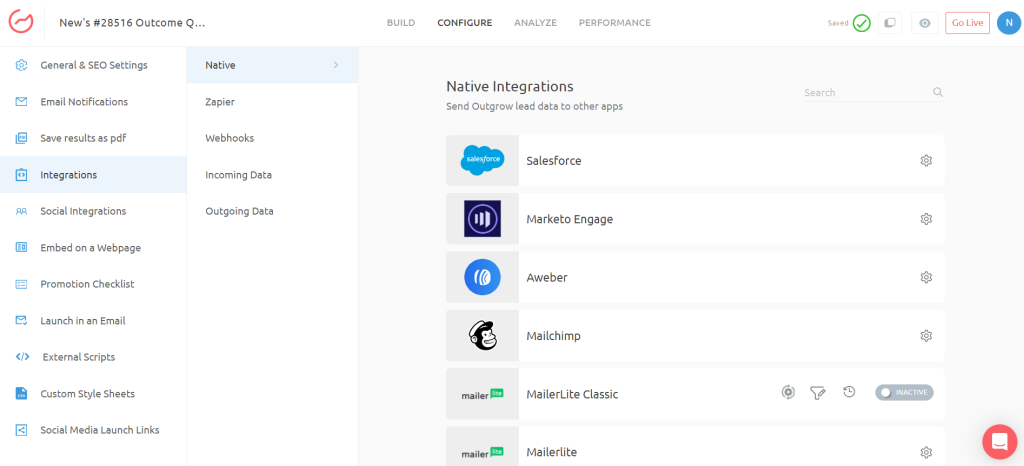
5. Integrate and Share
Embed your quiz on web pages, blogs, or landing pages. Share via social media, newsletters, and online communities.
Encourage sharing of results; interactive quizzes often go viral because people love comparing outcomes with friends.
6. Analyze Your Results
Use Outgrow’s analytics dashboard to track:

- Completion rates
- Audience demographics
- Most common results
These insights help you refine the quiz and understand your audience on a deeper level.
Conclusion:
The Implicit Association Test from Harvard’s Project Implicit has transformed how people explore unconscious bias and hidden associations. By using reaction time-based assessments, the test reveals insights that traditional surveys often miss.
Its popularity shows that interactive experiences can be powerful tools for education, research, and engagement.
Brands and organizations can apply the same concept by creating interactive quizzes that help audiences learn about themselves while providing valuable insights.
With platforms like Outgrow, building these experiences becomes simple and scalable. Interactive content not only improves engagement but also creates meaningful connections between brands and their audiences.

And the best part is that Outgrow offers a 7-day free trial without requiring credit card details, allowing you to start building interactive experiences right away.
Frequently Asked Questions About the Quiz
The Implicit Association Test measures unconscious associations between concepts such as race, gender, age, or career roles. It analyzes reaction times to determine how quickly people connect certain ideas.
The IAT is widely used in psychological research and academic studies. While it provides valuable insights into unconscious associations, researchers recommend interpreting results as indicators of tendencies rather than fixed beliefs.
Most IAT tests take around 5 to 10 minutes to complete. Participants answer a few demographic questions and then complete several quick sorting exercises.
Yes. Businesses, educators, and marketers can create similar quizzes and assessments using platforms like Outgrow. These tools help brands engage audiences, collect insights, and provide personalized experiences.

Bhawna Singh is a Marketing Generalist at Outgrow. With a knack for building connections and a talent for crafting impactful blog content, she ensures every piece resonates with the audience. When not strategizing campaigns, Bhawna channels her artistic side by bringing melodies to life through her singing or creating vibrant masterpieces on canvas.